

Be Better Be You
Looking for a professional chemical peel in Islamabad to improve acne, dark spots, uneven skin tone, or dull skin? A chemical peel is a skin-resurfacing treatment that uses carefully selected chemical solutions to exfoliate the skin and encourage the renewal of its surface layers.
At Skin Smith by Dr. Mahvish Aftab Khan, your skin concerns, skin type, and treatment goals should guide the selection of an appropriate peel. Whether you want a chemical peel for acne, acne scars, pigmentation, melasma, or early signs of aging, a professional skin assessment can help determine which treatment may be suitable.
Chemical peels can help improve selected skin concerns, but the right peel depends on the underlying cause of your problem, your skin tone, and your sensitivity. Treatment should be personalized rather than using the same peel for everyone.
Book your chemical peel consultation in Islamabad to explore a treatment plan tailored to your skin.
A chemical peel is a professional skin treatment that uses specific acids or chemical solutions to exfoliate the skin at a controlled depth. This process helps remove damaged surface cells and may improve skin texture, uneven pigmentation, acne-related concerns, and the appearance of fine lines.
Depending on the formulation and depth, chemical peels may be classified as superficial, medium-depth, or deep. Each type has different benefits, recovery requirements, and potential risks.
A superficial chemical peel generally works on the outermost layers of the skin and is commonly used for mild acne, dullness, and uneven skin tone. Medium-depth peels penetrate further and may be considered for selected pigmentation, sun damage, and textural concerns. Deep peels require more extensive recovery and carry greater risks, so they are not appropriate for everyone.
Chemical peel treatment is not a single procedure for every skin problem. The most suitable option depends on your skin condition, medical history, previous treatments, and desired results.
The benefits of a chemical peel depend on the type of peel, its strength, and the skin concern being treated.
Potential chemical peel benefits include:
Chemical peels may also help improve the appearance of some enlarged pores by reducing surface buildup and addressing associated oiliness. They do not permanently close pores or eliminate every type of acne scar.
Results vary by peel type and individual response. Several sessions may be recommended for some concerns, while others require a different treatment approach.
Acne can develop when pores become clogged with oil and dead skin cells, sometimes accompanied by inflammation and bacterial activity. Depending on the formulation, a chemical peel for acne may help exfoliate the skin, improve clogged pores, and reduce certain acne-related concerns.
A salicylic acid peel is often considered for oily, acne-prone skin because salicylic acid is oil-soluble and can penetrate into pores.
Chemical peels may be useful for selected cases involving:
Chemical peels are not a universal treatment for active acne. Moderate or severe inflammatory acne may require medication or another dermatologist-directed treatment plan. Procedures should generally be postponed when the skin has an active infection or significant irritation.
Acne scars can remain after breakouts have healed. They may appear as shallow depressions, deeper pits, raised areas, or changes in skin color.
Chemical peel for acne scars may help improve superficial discoloration and selected shallow textural irregularities. However, depressed scars caused by structural damage beneath the skin often require other treatments, such as microneedling, subcision, or selected laser procedures.
It is important to distinguish between acne scars and acne marks. Brown or red marks left after a breakout are not always true scars, and their treatment may differ.
Post-acne marks can make the complexion appear uneven long after the acne itself has improved. Brown or dark marks are often associated with post-inflammatory hyperpigmentation, while persistent redness has a different underlying cause.
A suitable chemical peel may help improve certain superficial dark acne marks. Treatment should be selected carefully to avoid irritation that could make pigmentation more noticeable, particularly in darker skin tones.
Uneven pigmentation can develop because of sun exposure, hormonal influences, inflammation, or previous skin irritation. Chemical peel for pigmentation may help improve selected superficial discoloration by encouraging the removal of pigmented surface cells.
Treatment suitability depends on the type and depth of pigmentation. Not every dark patch responds to the same peel, and some pigmentation conditions can worsen if treatment causes excessive inflammation.
Hyperpigmentation refers to areas of skin that appear darker than the surrounding complexion. It may occur after acne, irritation, sun exposure, or other inflammatory conditions.
Chemical peel for hyperpigmentation may be considered when discoloration is suitable for controlled exfoliation. The treatment plan may also include sun protection and prescribed topical products to support improvement and reduce recurrence.
Melasma is a pigmentation condition that commonly causes brown or grey-brown patches on the cheeks, forehead, upper lip, or other facial areas. Hormonal factors, sunlight, and visible light may contribute to its development or recurrence.
Chemical peel for melasma may help selected patients as part of a broader treatment plan. However, melasma is a chronic condition that can return, and aggressive peels may worsen pigmentation.
A dermatologist may recommend a cautious approach combining suitable topical treatments, daily broad-spectrum sunscreen, and selected professional procedures. Results should be viewed as gradual improvement rather than permanent removal.
Dark spots can result from sun damage, acne, inflammation, and other skin conditions. A chemical peel may improve certain superficial spots and help create a more even-looking complexion.
Before treatment, the cause of the dark spots should be assessed. Some pigmented lesions need medical examination rather than cosmetic exfoliation.
Fine lines and early wrinkles may develop as the skin’s structure changes with age, sun exposure, and repeated facial movement.
Chemical peel for wrinkles may improve the appearance of superficial lines, uneven texture, and selected signs of sun damage. The extent of improvement depends on the depth of the peel and the nature of the wrinkles.
Superficial peels may help smooth the skin’s surface and improve the appearance of mild fine lines. Medium-depth peels may be considered for selected patients with more noticeable photoaging, subject to professional assessment.
Chemical peels do not relax facial muscles, restore significant lost volume, or remove substantial loose skin. Other treatments may be more appropriate for these concerns.
Excess sebum and dead skin cell buildup can contribute to clogged pores, blackheads, and an oily appearance.
A suitable chemical peel for oily skin may help exfoliate the skin and improve the appearance of certain pore-related concerns.
Large pores can be influenced by genetics, sebum production, acne, and changes in skin elasticity. Chemical peels may make pores look less noticeable by improving surface buildup and skin texture.
However, pores are normal skin structures and cannot be permanently eliminated. A treatment plan may combine appropriate skincare with selected professional procedures when necessary.
Dull skin may appear tired, uneven, or less radiant due to surface buildup, dehydration, sun damage, or changes in skin texture.
Chemical peel treatment may help remove accumulated surface cells and improve the appearance of dull or rough skin.
Uneven skin texture can develop because of acne, clogged pores, sun damage, or superficial scarring. A chemical peel may help improve selected surface irregularities, depending on their cause and severity.
Deeper textural changes may require other procedures. Your practitioner can help determine whether a chemical peel alone is likely to provide meaningful improvement.
Different chemical peels are used for different skin concerns. The appropriate option depends on the ingredient, concentration, formulation, application technique, and depth of treatment.
Glycolic acid is an alpha hydroxy acid commonly used for superficial exfoliation. It may help improve dullness, rough texture, and selected superficial pigmentation concerns.
It is sometimes considered for fine lines and uneven skin tone, but the concentration and treatment protocol must be appropriate for the individual’s skin.
Salicylic acid is a beta hydroxy acid that is often used for oily and acne-prone skin. Its oil-soluble properties make it useful for addressing clogged pores and certain types of acne.
A salicylic acid peel may be considered for blackheads, whiteheads, and selected cases of acne-related discoloration. It is not suitable for every person, and allergies, medications, and other medical factors should be reviewed.
Lactic acid is an alpha hydroxy acid that exfoliates the skin’s surface. Depending on the formulation, it may be considered for mild dullness, uneven texture, and selected superficial pigmentation concerns.
Treatment strength should be selected according to skin sensitivity and the intended result.
Mandelic acid is an alpha hydroxy acid often used in formulations intended for acne-prone skin and superficial pigmentation concerns. Its properties may make it a consideration for selected patients who need a carefully tailored exfoliation treatment.
Suitability still depends on the product formulation, skin condition, and treatment protocol.
Trichloroacetic acid, or TCA, is used in chemical peels with varying depths depending on the concentration and application technique.
TCA peels may be considered for selected pigmentation, sun damage, and textural concerns. Medium-depth treatments carry greater risks and require appropriate clinical expertise, preparation, and aftercare.
A Jessner peel is a combination peel traditionally formulated with salicylic acid, lactic acid, and resorcinol. It may be used for selected acne, uneven skin tone, and superficial skin texture concerns.
The formulation and suitability should be reviewed by a qualified practitioner, especially for people with sensitive skin or a history of pigmentation.
A superficial chemical peel targets the outermost layers of the skin. It is commonly considered for mild acne, dullness, uneven tone, and superficial texture concerns.
Recovery is generally shorter than with deeper peels, although redness, dryness, and irritation can still occur.
A medium-depth chemical peel penetrates further into the skin and may be considered for selected sun damage, more noticeable superficial pigmentation, and certain textural concerns.
Recovery is longer and the risk of complications is greater than with a superficial peel. Careful patient selection and professional monitoring are important.
Deep chemical peels are a separate category with substantially greater risks and recovery requirements and should not be treated as routine cosmetic facials.
Skin tone and sensitivity are important considerations when choosing a chemical peel. People with medium to deep skin tones may have a greater risk of post-inflammatory hyperpigmentation after skin irritation or injury.
This does not automatically mean chemical peels are unsuitable for darker skin. It means the peel, concentration, treatment depth, and preparation should be selected carefully.
For sensitive skin, the practitioner should assess the skin barrier, current skincare products, history of reactions, and underlying conditions before treatment.
A patch test or a more conservative treatment approach may be appropriate in selected cases. Aggressive exfoliation should not be used simply to achieve faster results.
Proper preparation can help reduce avoidable irritation and support a safer treatment experience.
Before your appointment:
Do not stop prescribed medication without advice from your healthcare professional.
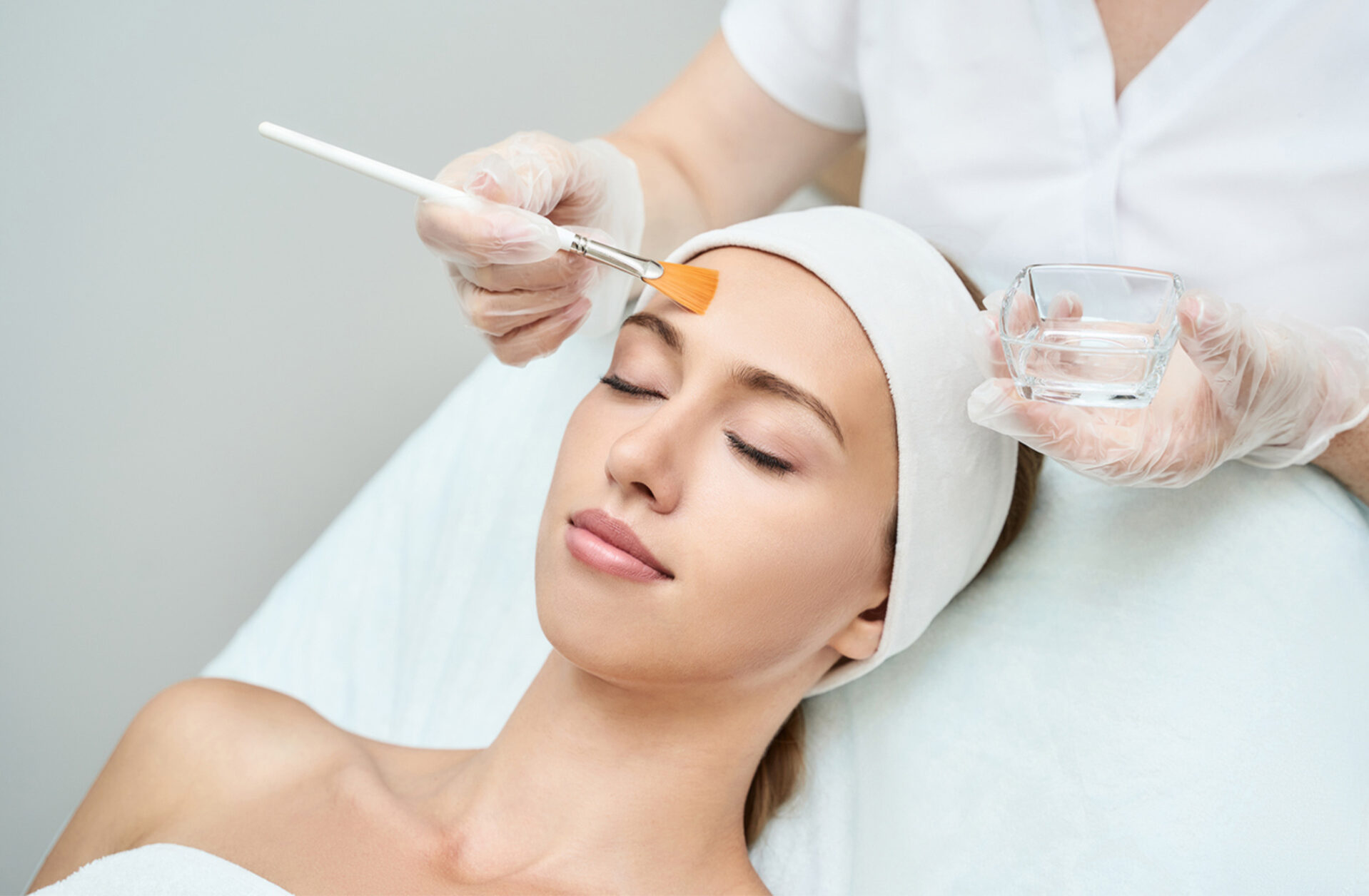
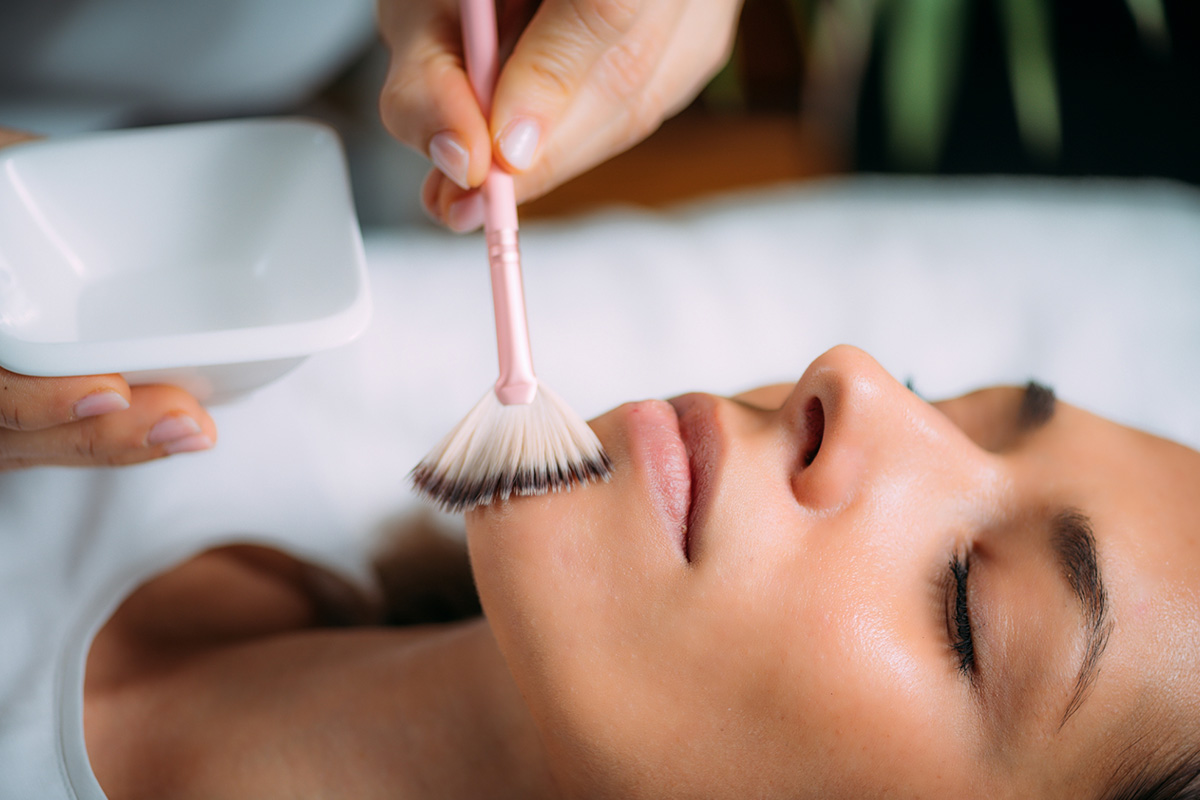
Your chemical peel treatment should begin with a professional assessment to determine the cause of your skin concern and select an appropriate peel.
Step 1: Skin consultation
Your practitioner reviews your skin type, medical history, medications, previous procedures, and current skincare routine.
Step 2: Peel selection
The appropriate formulation and treatment depth are selected based on your skin concerns, pigmentation risk, and treatment goals.
Step 3: Skin preparation
The skin is cleansed and prepared according to the selected peel protocol. Additional preparation may be recommended for certain pigmentation concerns.
Step 4: Chemical peel application
The selected solution is applied for a controlled period according to the product’s instructions and clinical protocol.
Step 5: Neutralization or removal
Depending on the peel formulation, the solution may be neutralized or removed according to the manufacturer’s instructions and the practitioner’s protocol.
Step 6: Aftercare guidance
You receive instructions about moisturization, sunscreen, cleansing, and avoiding potentially irritating products while the skin recovers.
Your cosmetic surgeon will recommend a peel based on your skin type, the specific issues you want to address, and how deep the peel needs to work to achieve the desired results.
After the initial healing period following a chemical peel, some improvements will be immediately noticeable: brighter, tighter-feeling skin and a more even skin tone. However, the effects of a peel are cumulative, and many patients find repeating treatment periodically is needed for optimal results.
Chemical peel recovery depends on the type and depth of the peel, the formulation used, and your skin’s response.
After a superficial peel, you may experience temporary redness, tightness, dryness, or mild flaking. Medium-depth peels may cause more noticeable redness and peeling and require a longer recovery period.
During recovery:
Seek medical advice if you experience severe pain, blistering, increasing swelling, spreading redness, or signs of infection.
The number of chemical peel sessions depends on the skin concern, the type of peel, its depth, and your individual response.
Some people may notice improvement after one superficial treatment. Acne, superficial pigmentation, and uneven texture may require a series of sessions spaced appropriately apart.
Melasma and post-inflammatory hyperpigmentation often require a broader maintenance plan because the underlying pigmentation can recur.
Deeper peels are not necessarily better, and repeated treatments should only be performed when the skin has recovered and the practitioner considers them appropriate.
Chemical peels can be performed safely when the correct formulation and treatment depth are selected for an appropriate candidate. However, every peel carries potential risks.
Possible side effects include:
The risk of pigmentation changes is especially important for people with darker skin tones and those with a history of melasma or post-acne pigmentation.
A professional assessment helps determine whether a chemical peel is suitable and whether another treatment may offer a better balance of benefits and risks.
If you are searching for chemical peel treatment in Islamabad, selecting the right peel for your skin concern is just as important as the procedure itself.
At Skin Smith by Dr. Mahvish Aftab Khan, a consultation can help you explore appropriate options for acne, post-acne marks, pigmentation, melasma, dark spots, oily skin, uneven texture, and selected signs of aging.
Your treatment plan should take into account your skin tone, sensitivity, medical history, previous treatments, and desired outcome.
Whether you are considering a chemical peel for acne scars, chemical peel for hyperpigmentation, or a superficial peel for dull skin, the first step is understanding what is causing your concern.
Whether your concern is acne, pigmentation, dark spots, uneven skin tone, or dull skin, the right chemical peel starts with an accurate skin assessment.
Skin Smith by Dr. Mahvish Aftab Khan can help you explore suitable skin treatment options and understand their expected benefits, limitations, and recovery requirements.
Contact Skin Smith today to enquire about chemical peel treatment in Islamabad and schedule your consultation.
A chemical peel is a skin-resurfacing procedure that uses a chemical solution to exfoliate the skin at a controlled depth. It may improve selected concerns such as acne, superficial pigmentation, dullness, uneven texture, and fine lines.
A chemical peel may help with mild acne, clogged pores, and certain post-acne marks. It can also improve selected superficial textural irregularities. Deep or tethered acne scars often require other procedures, and active inflammatory acne may need medical treatment first.
Chemical peels can be appropriate for some people with darker skin tones, but careful product selection and treatment settings are important. Irritation can cause post-inflammatory hyperpigmentation, so a conservative, professionally supervised approach is often preferable.
Some people notice improvement after one superficial peel, while acne, pigmentation, and texture concerns may require several sessions. The number and spacing depend on the skin concern, peel type, and individual response.
A superficial peel targets the outermost skin layers and generally involves less downtime. A medium-depth peel penetrates further and may address selected concerns more intensively, but it also carries greater risks and requires a longer recovery period.
The best peel depends on the type and severity of acne. Salicylic acid peels are commonly considered for oily, acne-prone skin, while other formulations may be appropriate for selected concerns. Moderate or severe inflammatory acne may require medication rather than a peel alone.
No chemical peel can guarantee permanent removal of acne scars. Superficial peels may improve selected shallow textural irregularities and post-acne discoloration, but deeper scars may need procedures such as subcision, microneedling, or laser treatment.
A carefully selected chemical peel may help improve melasma in some patients as part of a broader treatment plan. However, melasma can recur, and overly aggressive treatments may worsen pigmentation. Sun protection and appropriate ongoing treatment are important.
A chemical peel may lighten certain superficial dark spots by exfoliating the skin and improving uneven pigmentation. The cause of the spots should be identified before treatment because not every pigmented lesion is suitable for cosmetic peeling.
Recovery depends on the peel depth. Superficial peels often involve mild redness or flaking over several days, while medium-depth peels can require a longer recovery period. Your practitioner should explain the expected downtime for the specific peel.