

Be Better Be You
Pico Laser technology is a non-surgical and non-invasive laser skin treatment used to treat a lot of common skin damage and imperfections. It is one of the most advanced skin treatments available in the dermatology market. It is suitable for all skin types with various different problems.Pico technology is regarded as one of the most advanced laser treatments currently available on the market. It delivers noticeable, permanent results in fewer sessions than comparable options and is safe, requires minimal downtime, and can be used across the entire face and body. It is suitable for all skin types with various different problems.
Pico laser is an advanced laser technology that delivers energy in extremely short pulses, measured in trillionths of a second. These pulses can target selected pigment particles through a predominantly photoacoustic effect, helping break them into smaller fragments that the body can gradually clear.
Unlike traditional lasers that rely more heavily on heat to achieve certain effects, picosecond lasers deliver energy over a much shorter period. Some pico laser systems also offer fractional handpieces designed to stimulate skin remodeling.
Pico laser technology is used for several dermatological and aesthetic applications, including selected pigmented lesions, tattoo removal, certain acne scars, and skin rejuvenation.
Struggling with stubborn pigmentation, dark spots, melasma, acne marks, or uneven skin tone that does not seem to improve with skincare products? Pico laser treatment at SkinSmith by Dr. Mahvish Aftab Khan offers a technology-based approach to selected pigmentation concerns, certain acne scars, tattoo ink, and skin rejuvenation.
If you are searching for pico laser in Islamabad or Rawalpindi, the right treatment starts with understanding what is causing your skin concern. Brown spots, sun damage, melasma, acne scars, and tattoo pigment are different conditions and may respond differently to laser treatment.
Pico laser uses ultra-short pulses of laser energy, measured in picoseconds, to target selected pigments and, with appropriate fractional technology, stimulate skin remodeling. Treatment may help improve the appearance of unwanted pigmentation, selected scars, and uneven skin texture. Results depend on the laser device, wavelength, treatment settings, skin type, and condition being treated.
At SkinSmith by Dr. Mahvish Aftab Khan, your consultation should focus on identifying your skin concerns, discussing suitable treatment options, and setting realistic expectations for results and recovery.
Looking for pico laser treatment in Islamabad? Book a consultation to explore whether this treatment is suitable for your skin.
The benefits of pico laser depend on the indication, the device used, and your individual skin characteristics.
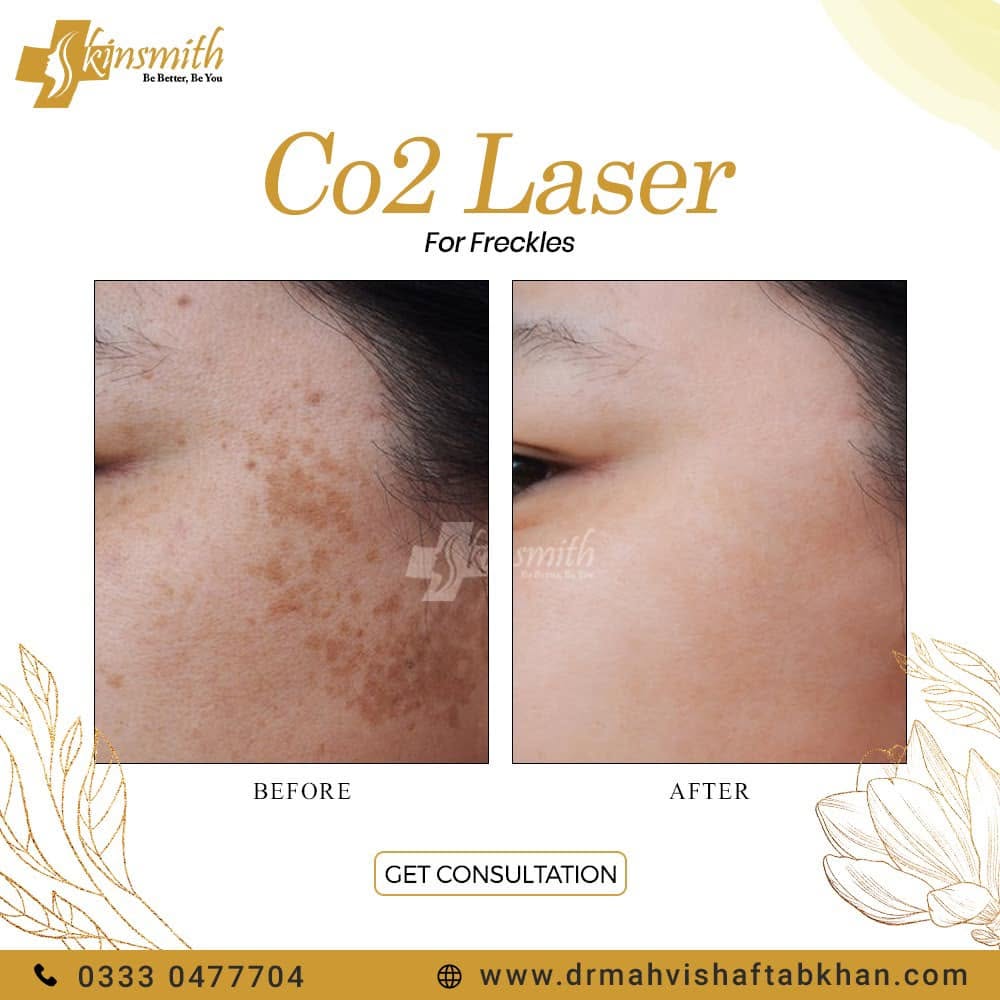
Pico laser may help reduce certain forms of unwanted pigmentation, including selected sun spots, age spots, freckles, and other benign pigmented lesions.
For suitable pigmentation concerns, treatment may help reduce visible contrast between darker spots and the surrounding skin, creating a more even-looking complexion.
Fractional pico laser technology may help soften the appearance of certain depressed acne scars and improve uneven skin texture. Deep or tethered scars may require additional procedures.
Depending on the system and treatment technique, pico laser may help improve the appearance of selected textural irregularities, fine lines, and signs of sun-related skin changes.
Pico laser is a non-surgical procedure that does not require traditional incisions. Recovery varies by the treatment settings and indication, and temporary redness, swelling, or pigmentation changes may occur.
Certain pico laser wavelengths are effective for breaking down tattoo ink, although the number of sessions and degree of clearance depend on the ink colours, tattoo depth, and other factors.
Important: The benefits of pico laser are indication-specific. A consultation should establish which concerns are likely to respond and whether another treatment would be more appropriate.
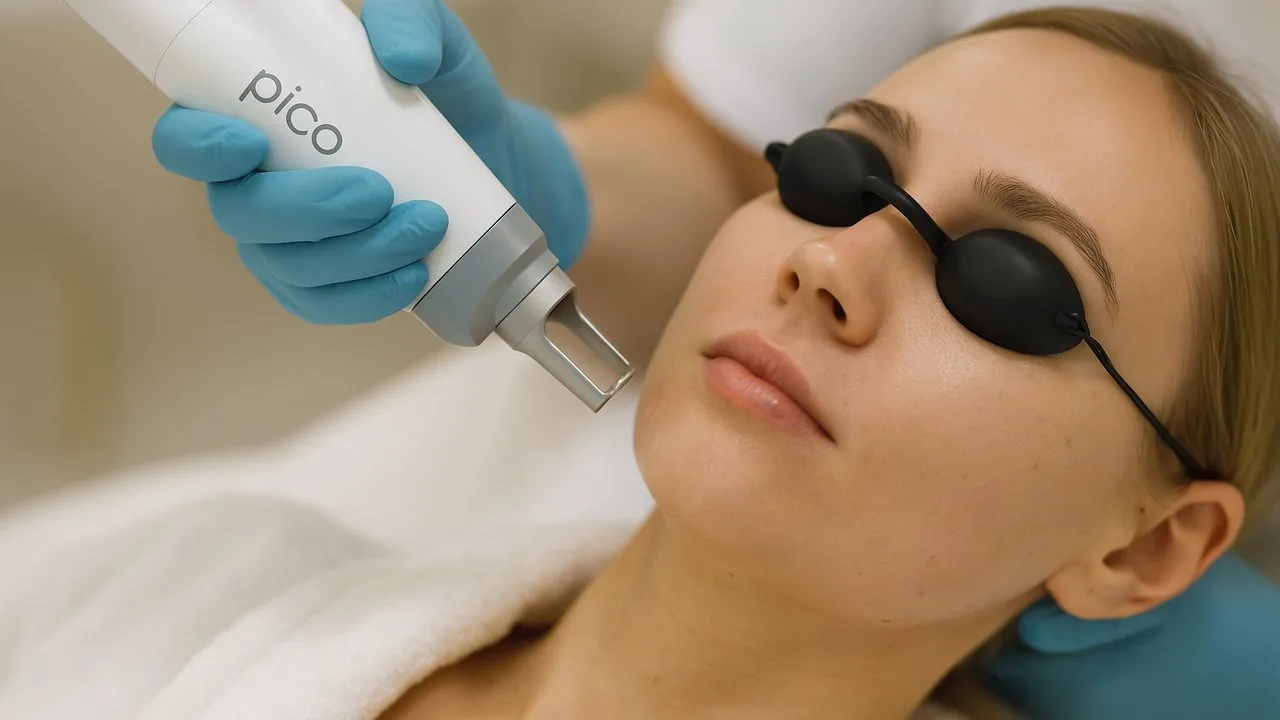
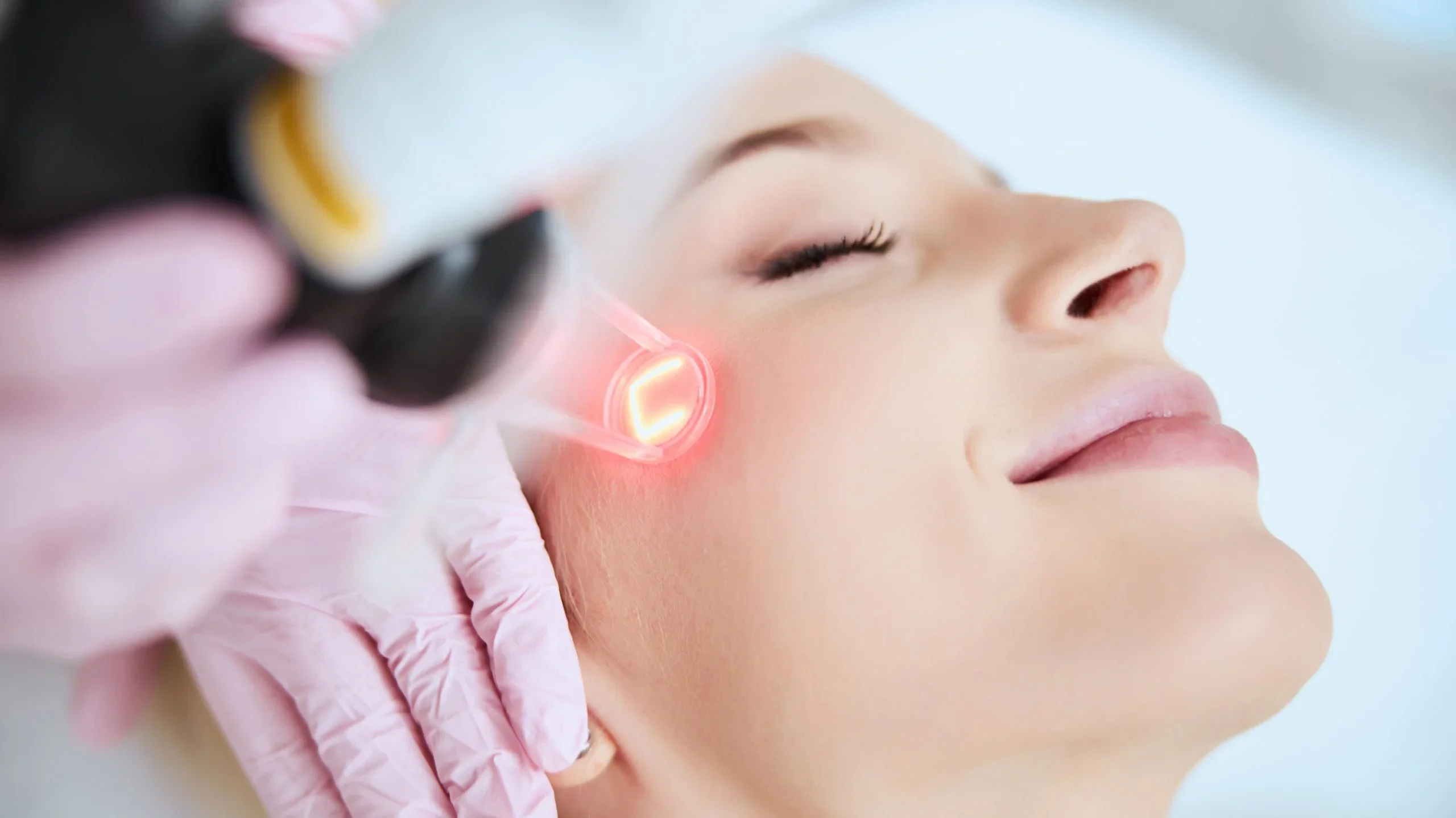
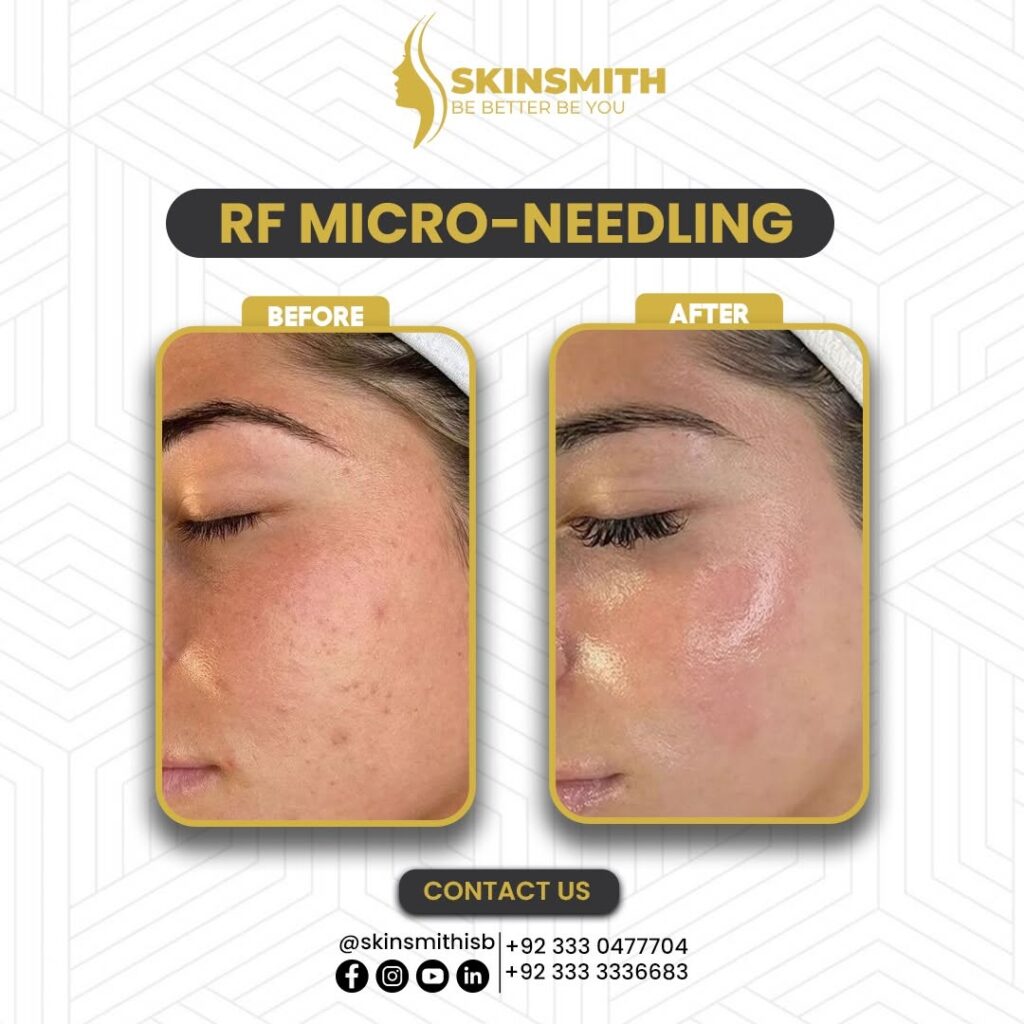
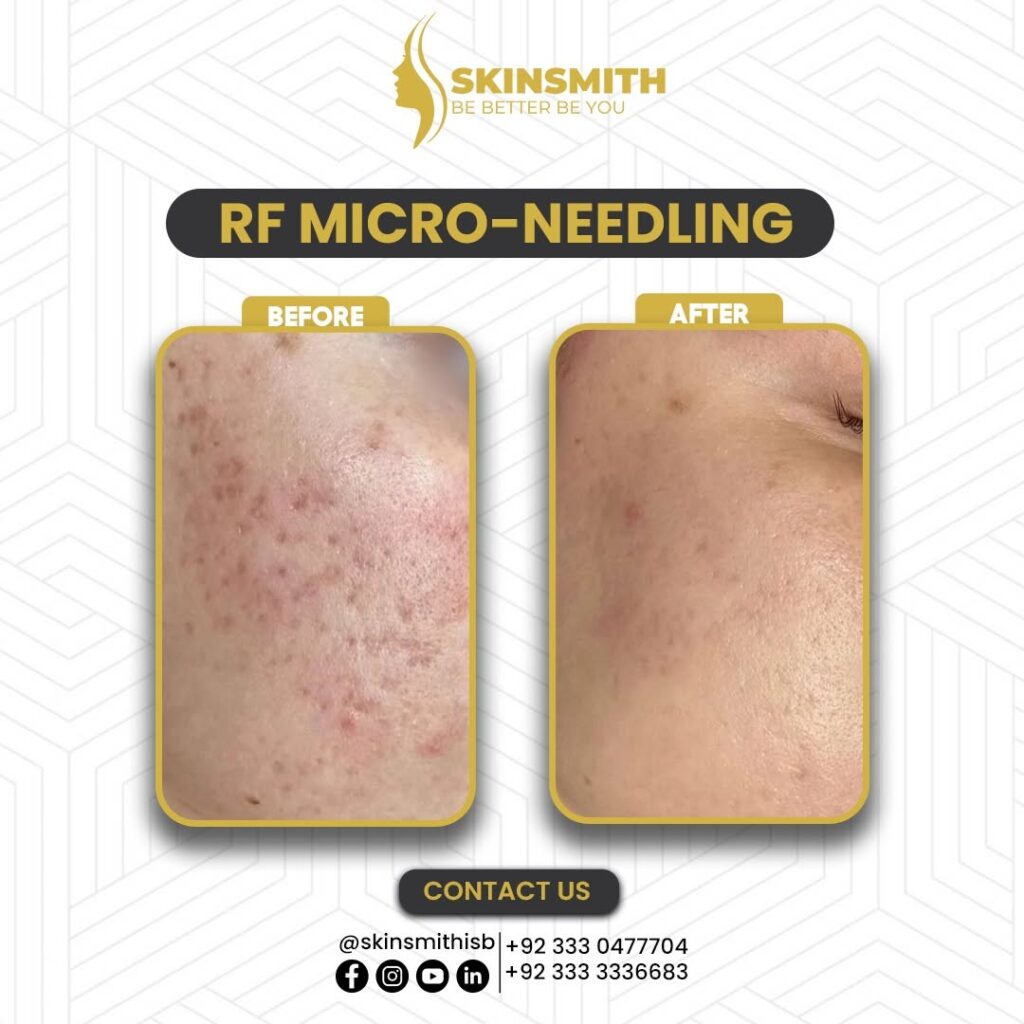
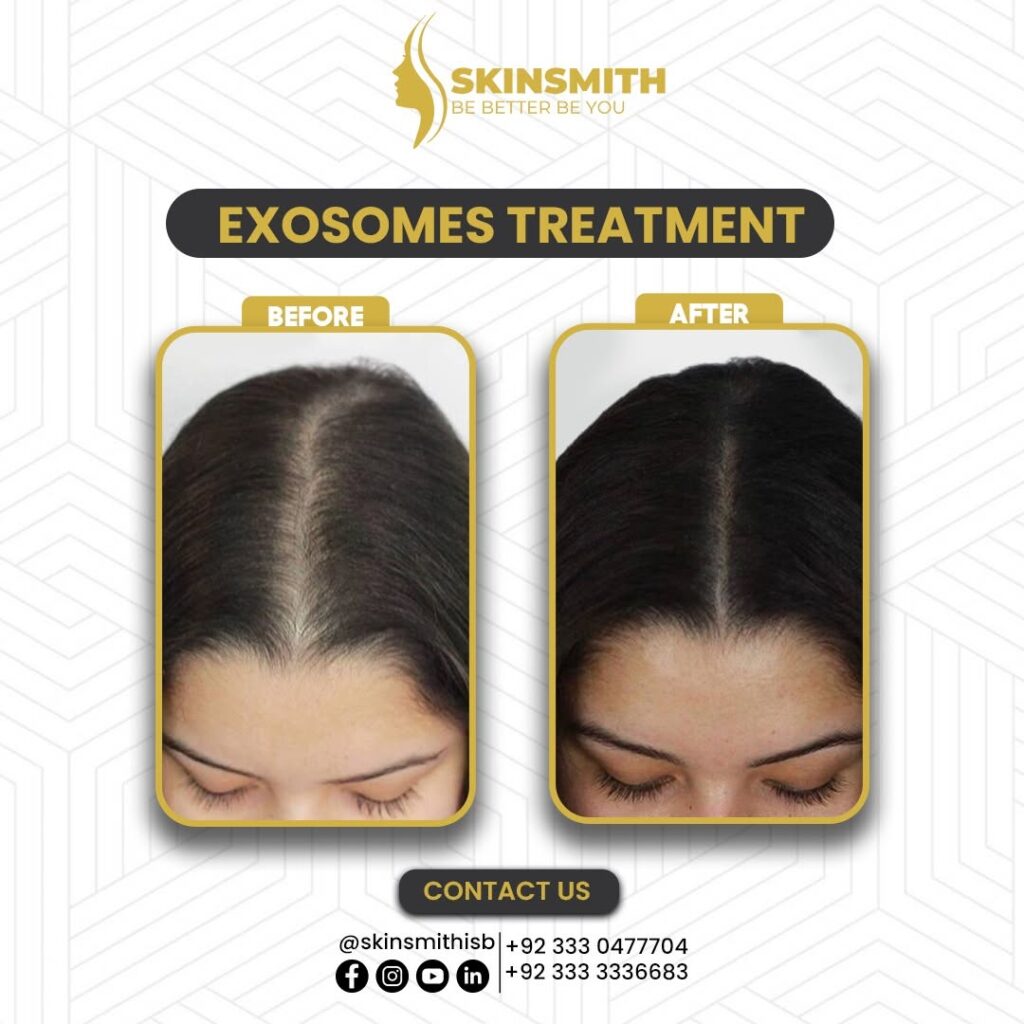
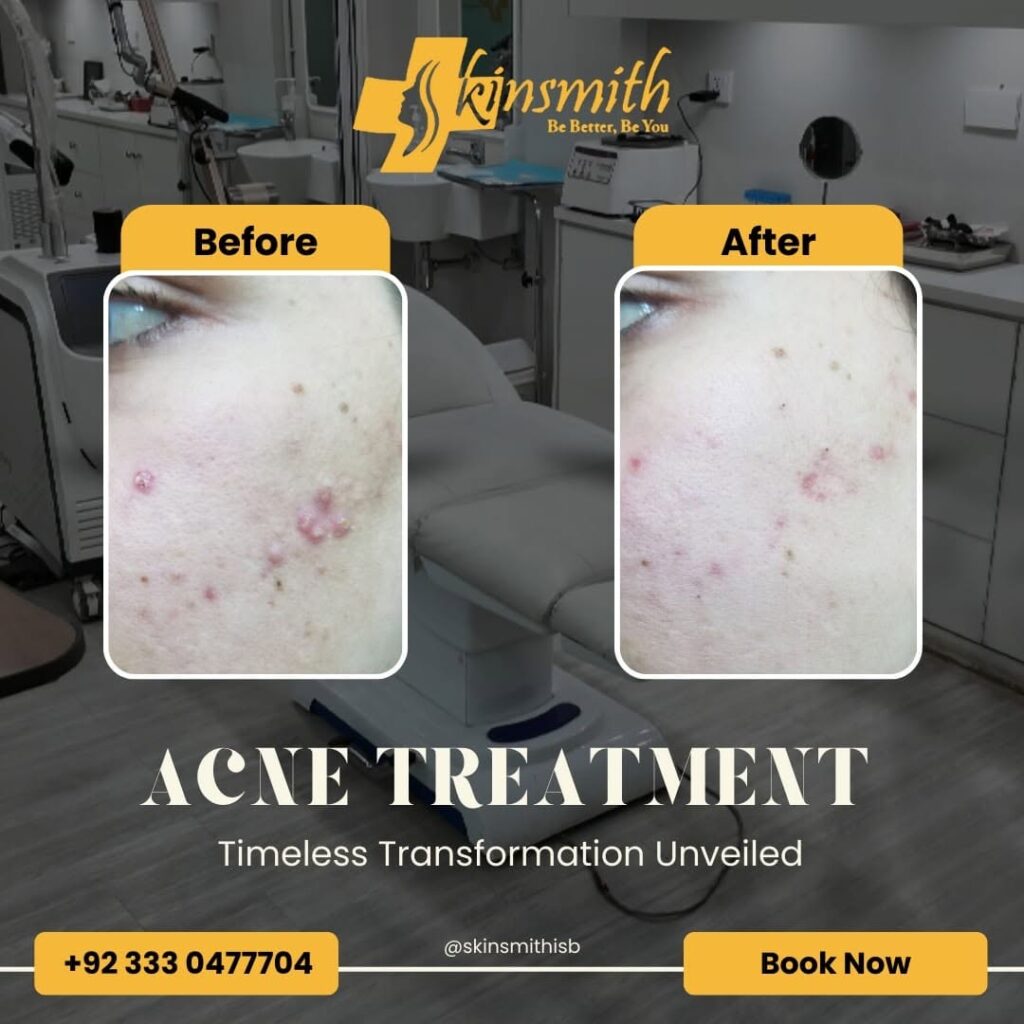
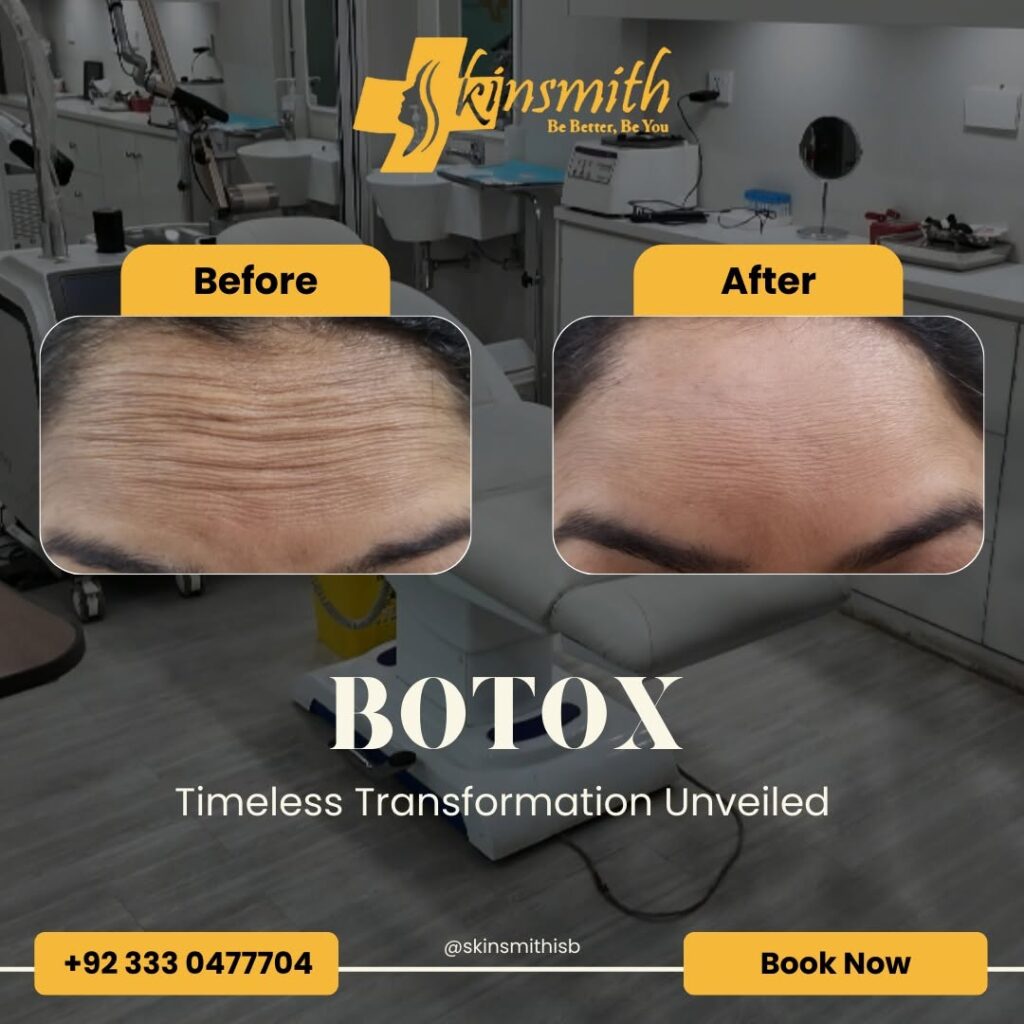
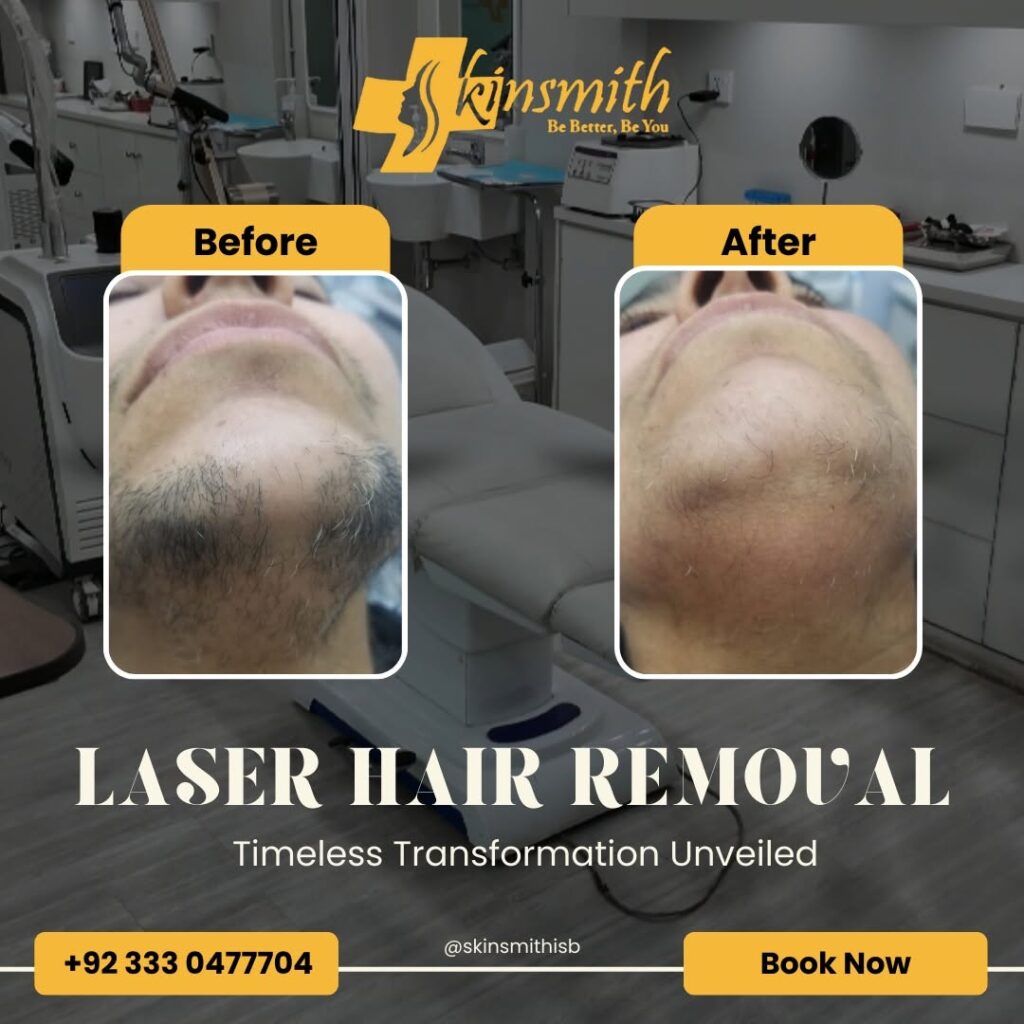
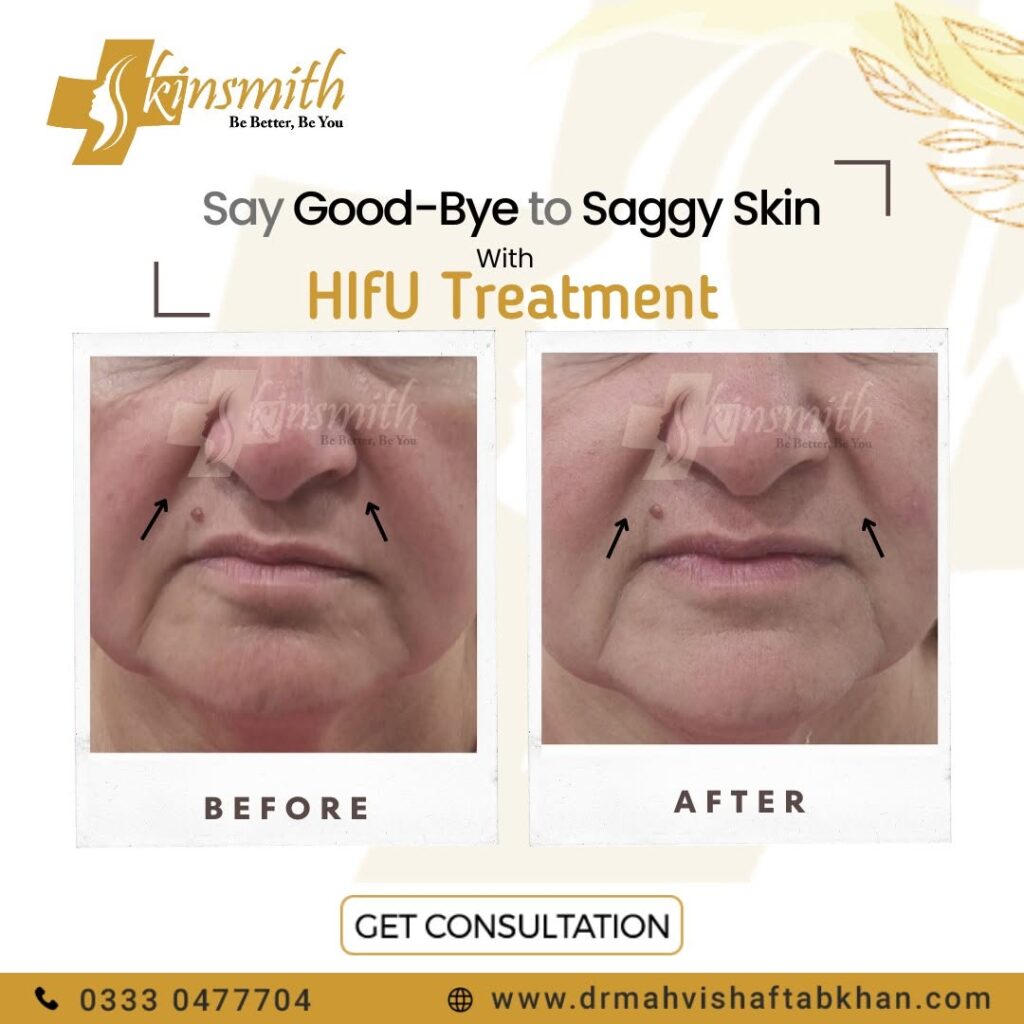
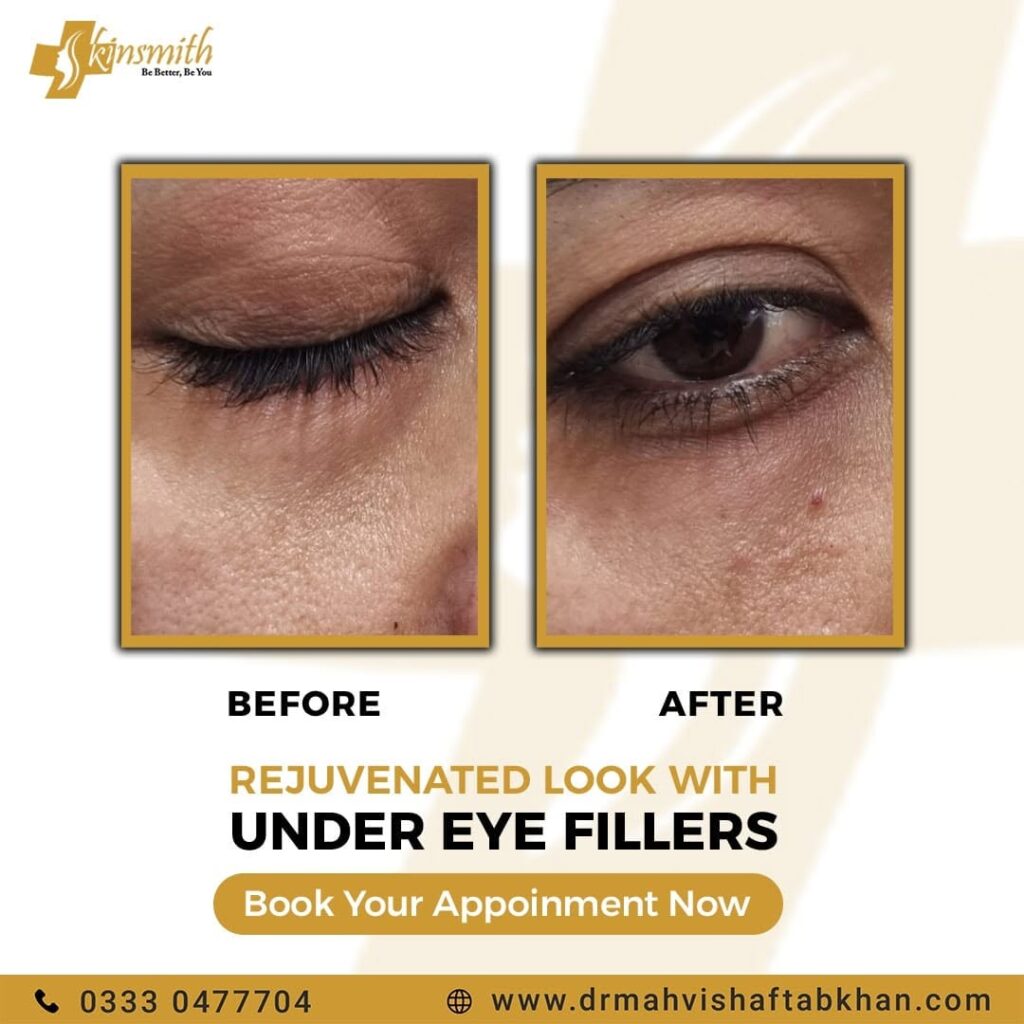
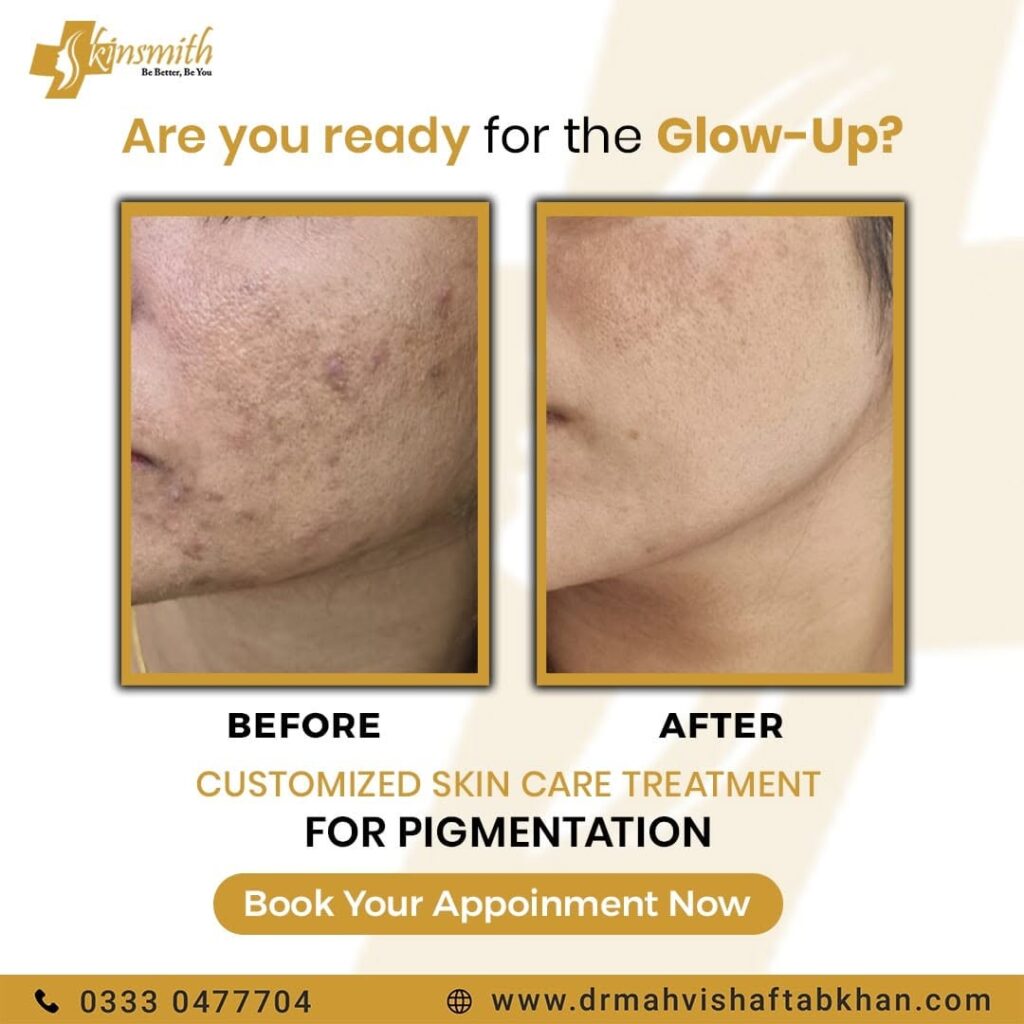


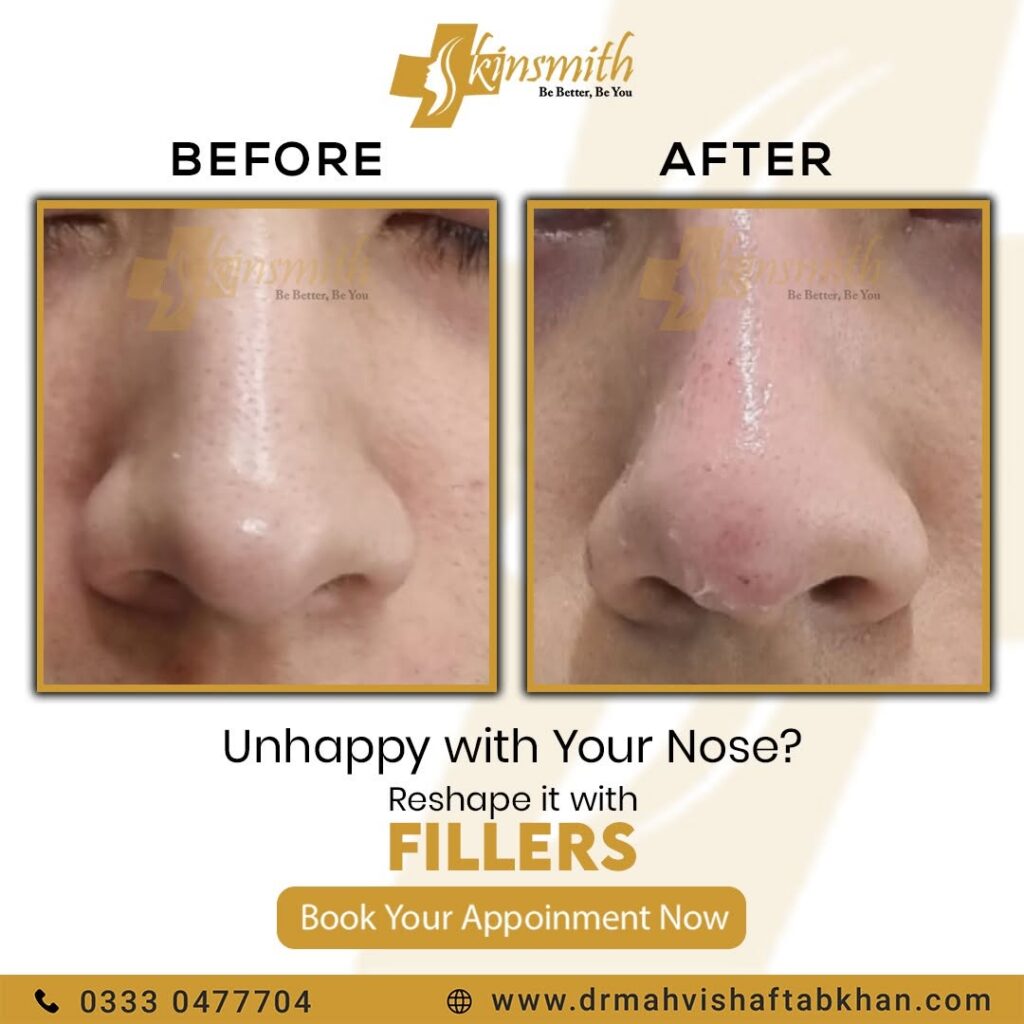
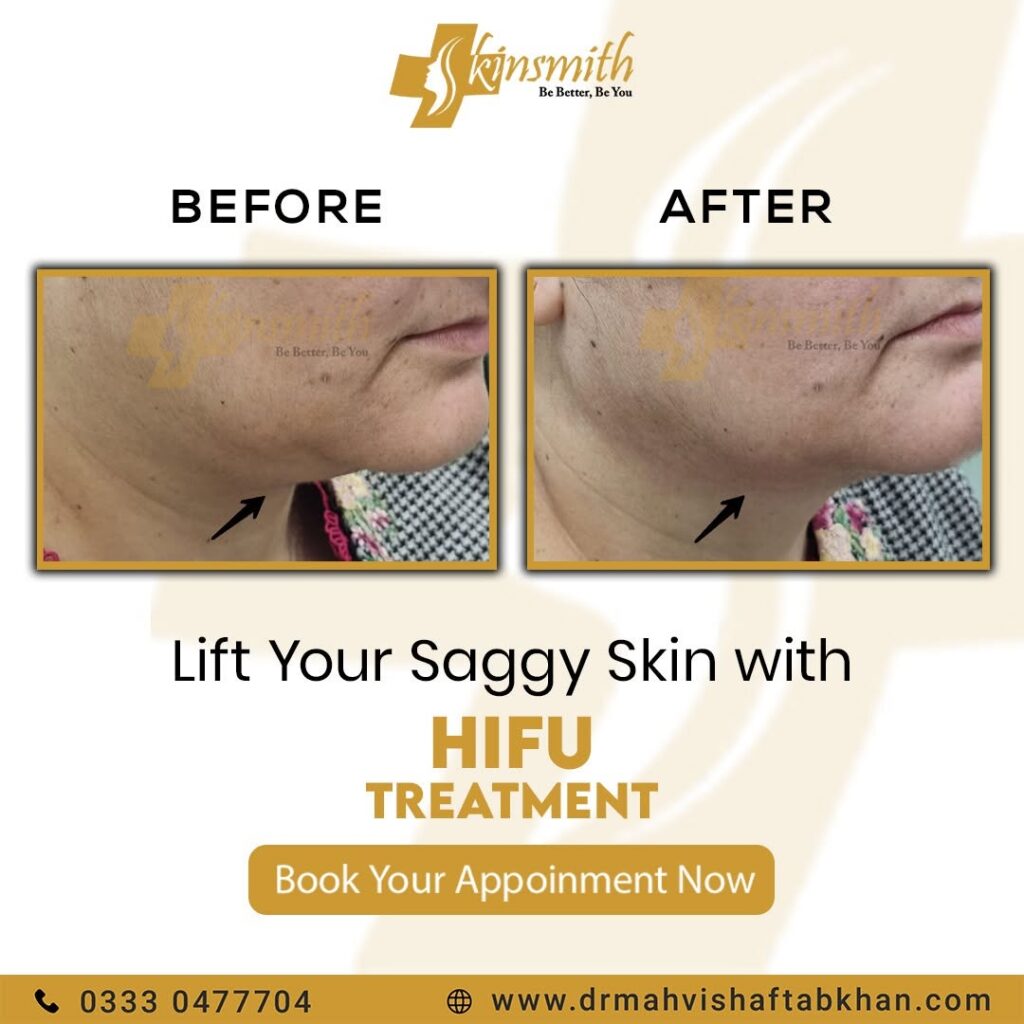

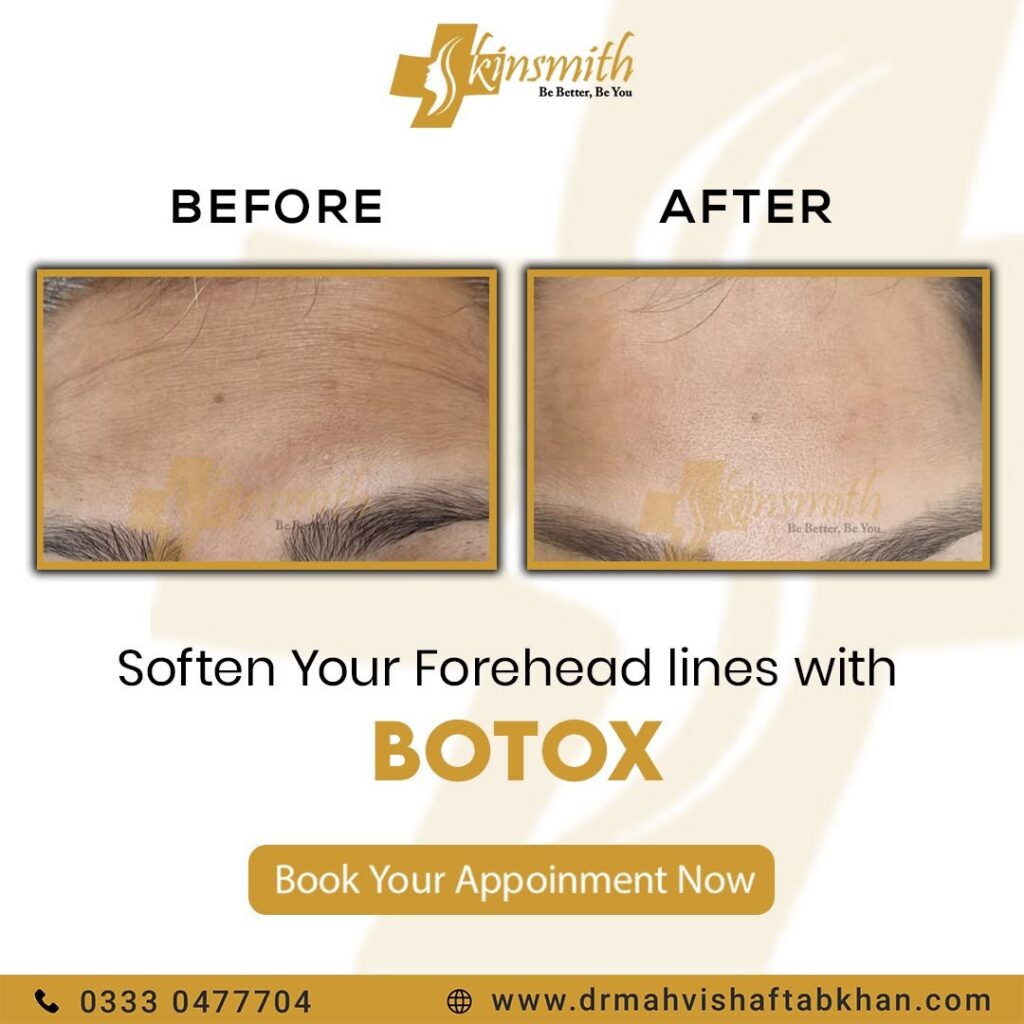
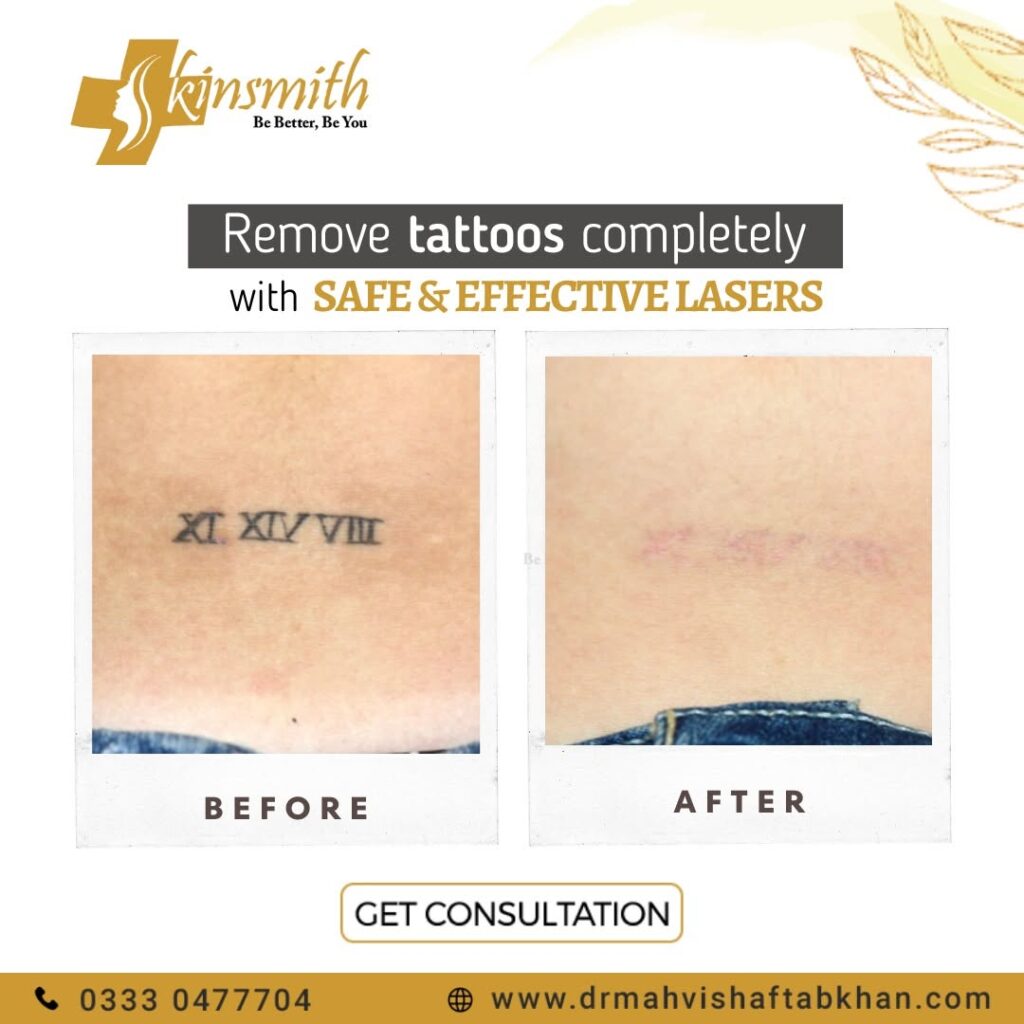
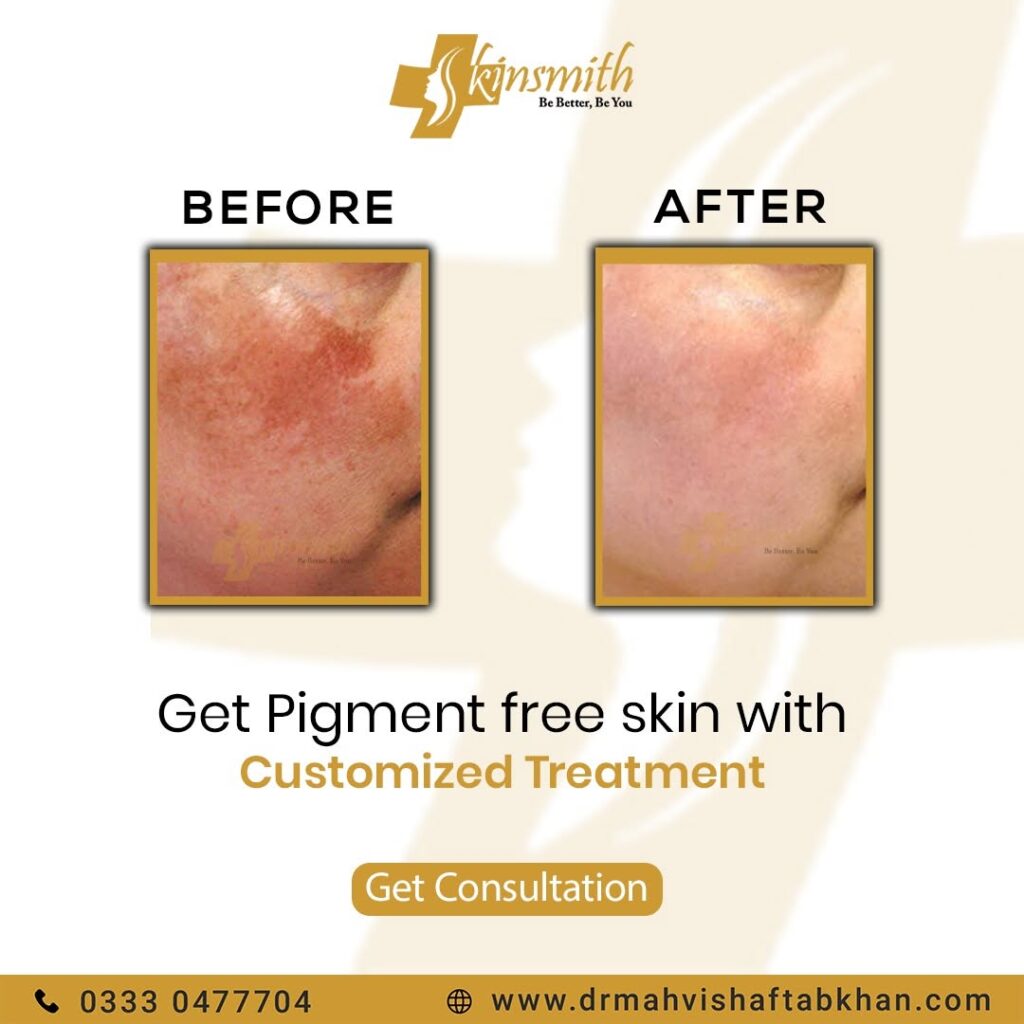
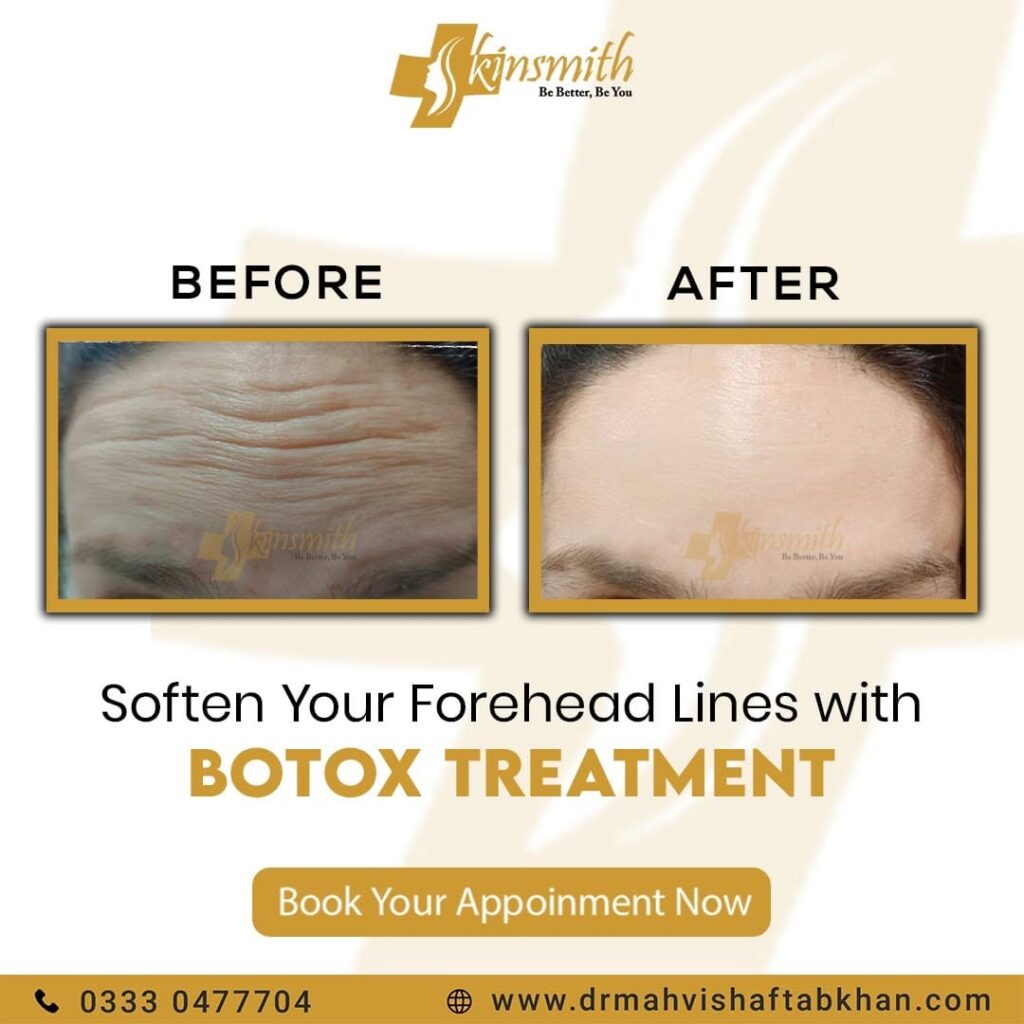
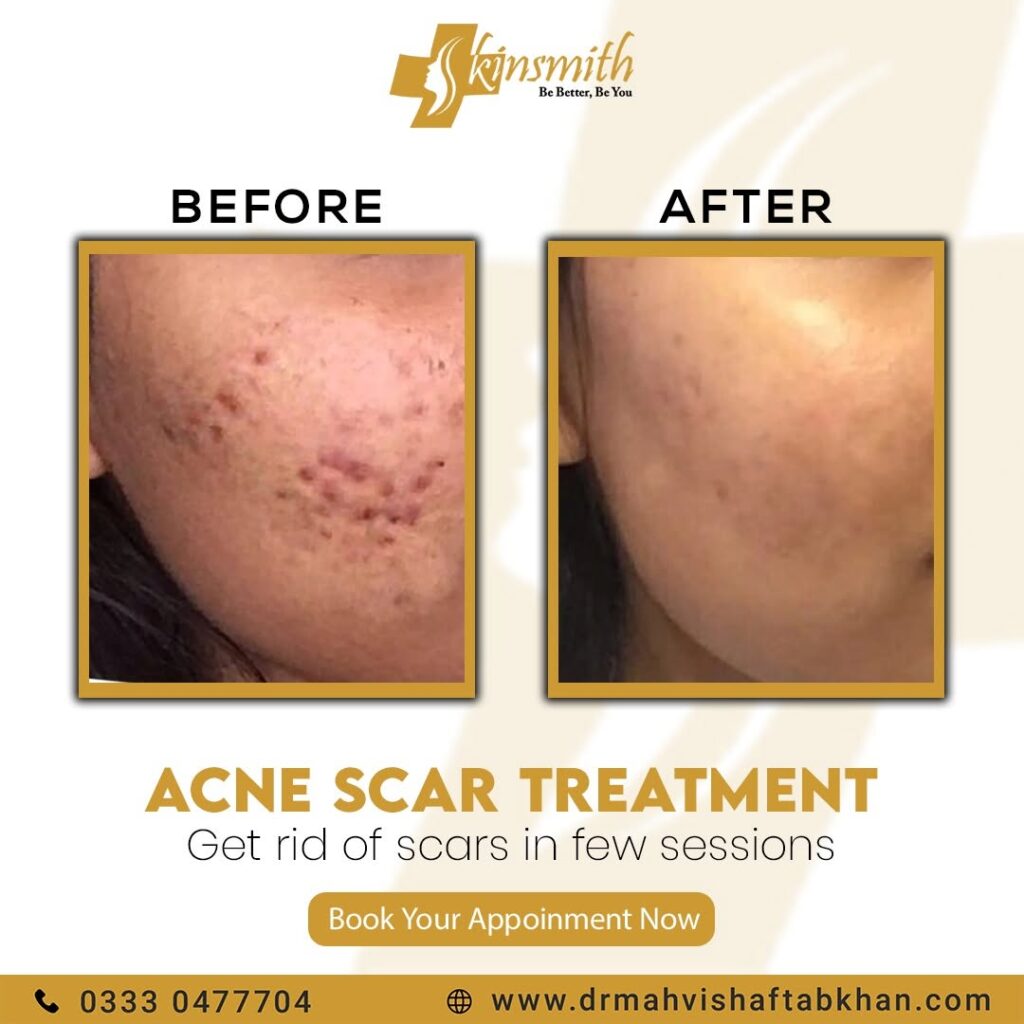
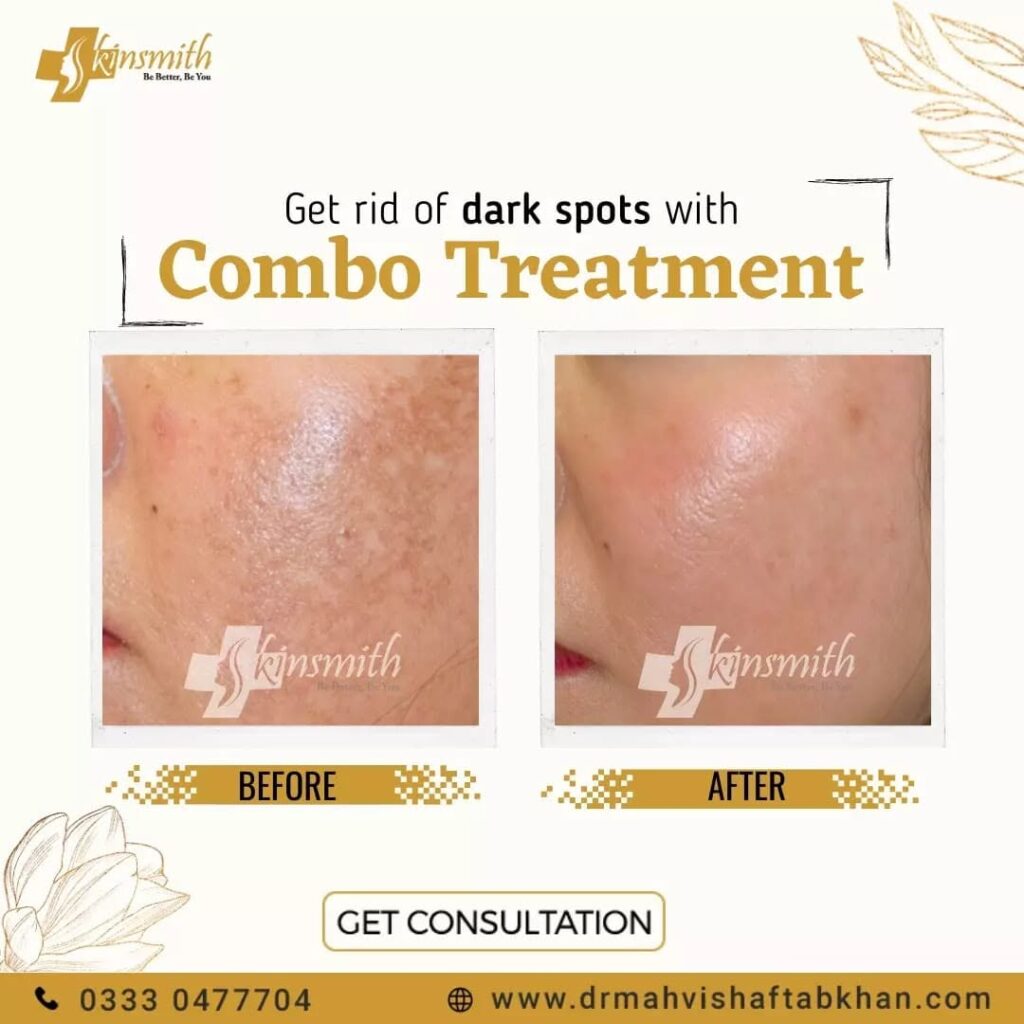


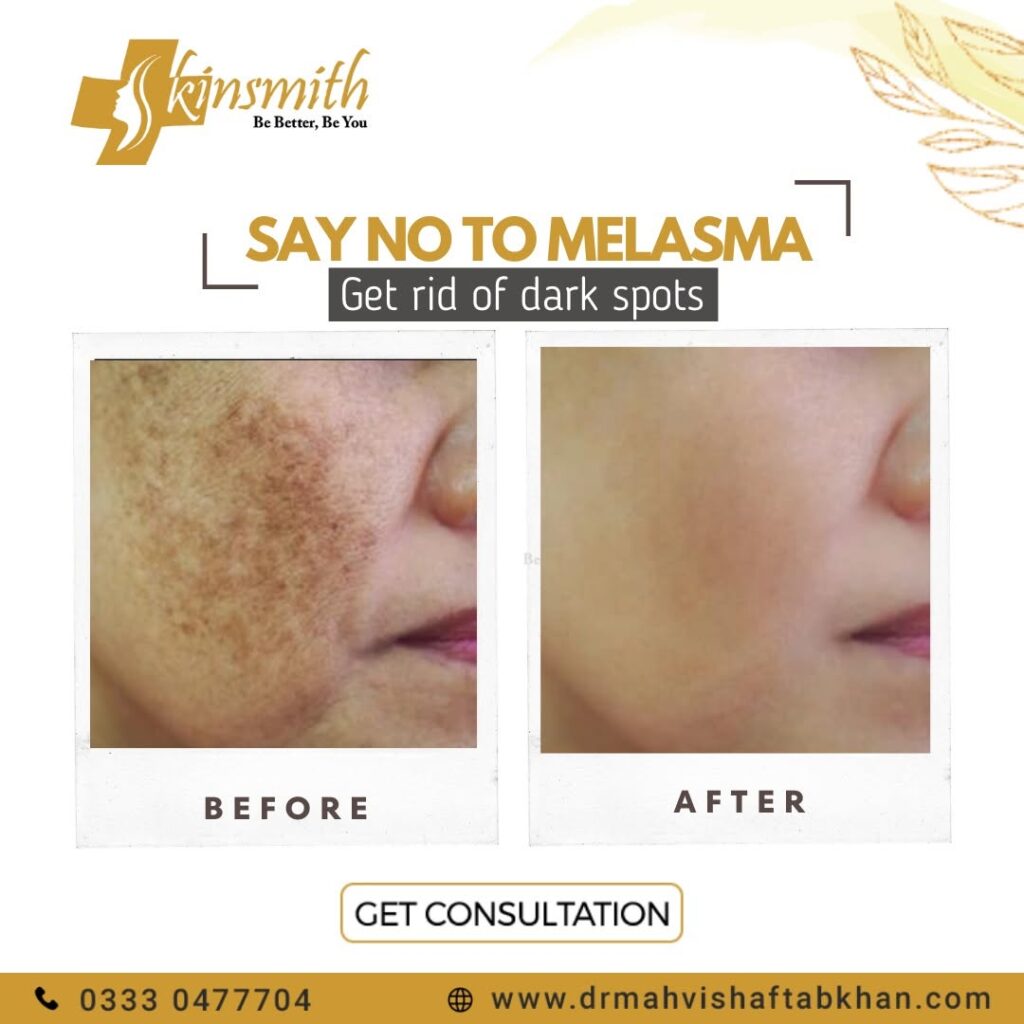
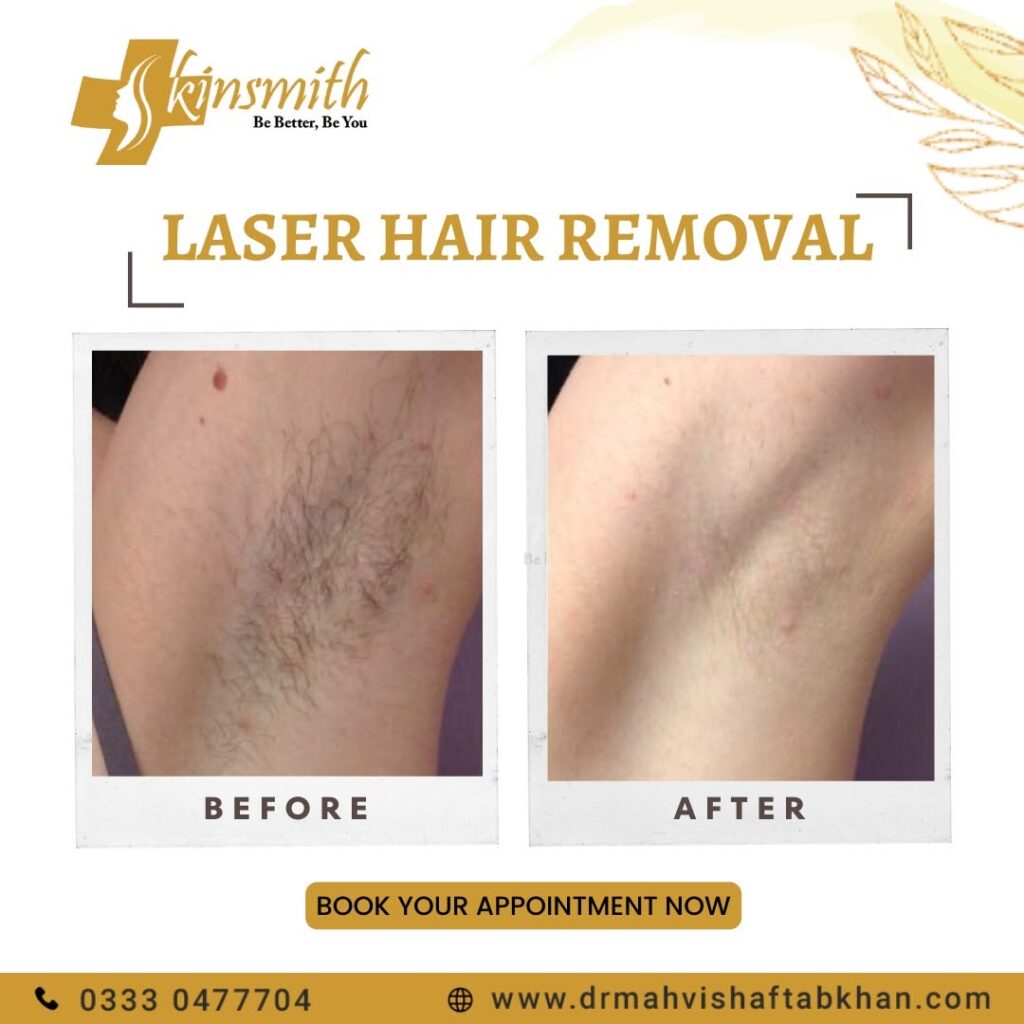
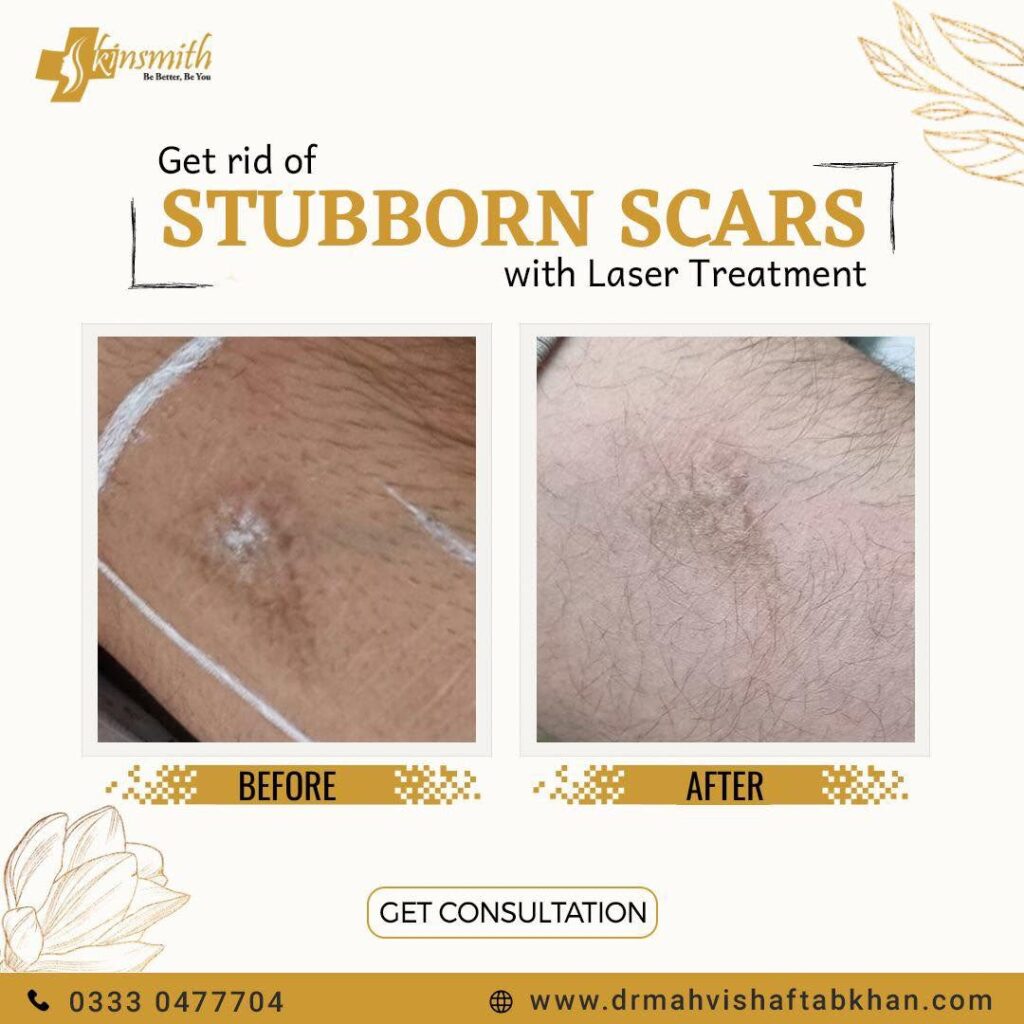
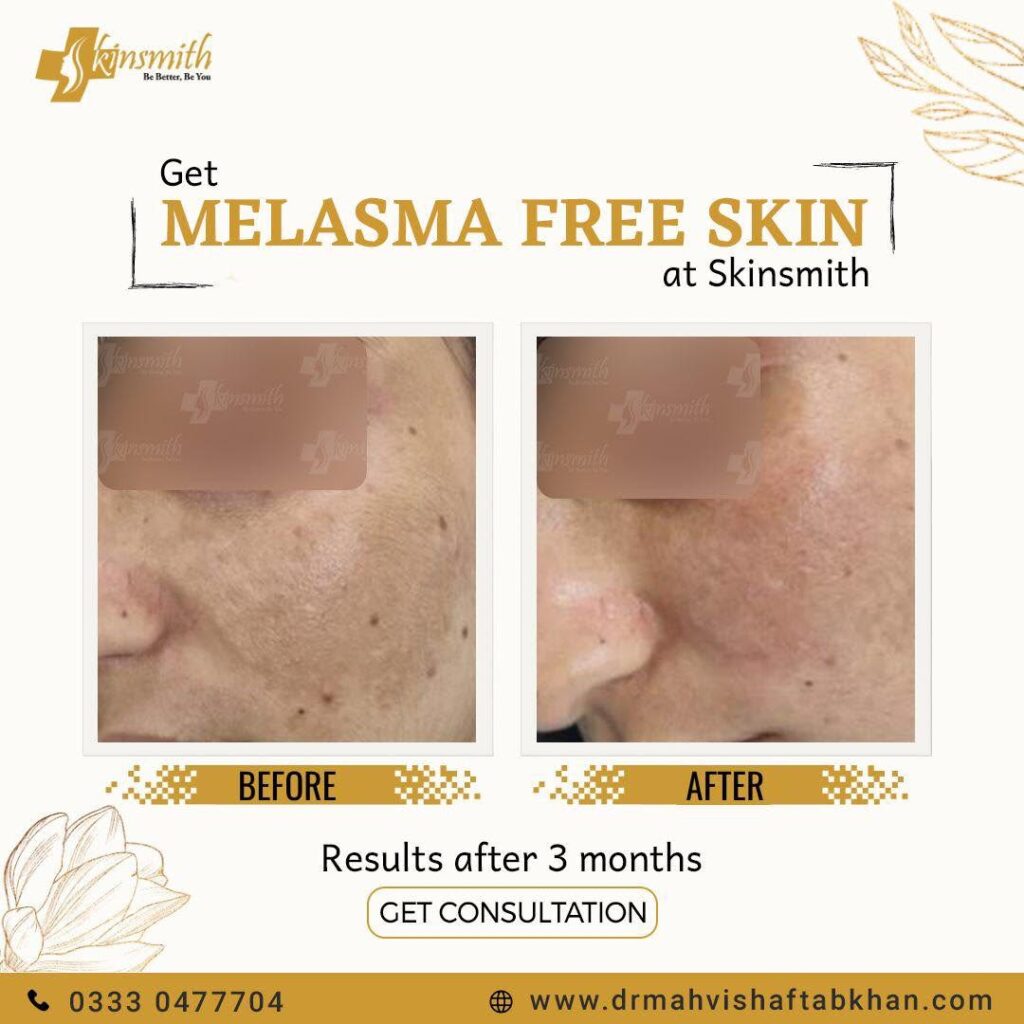

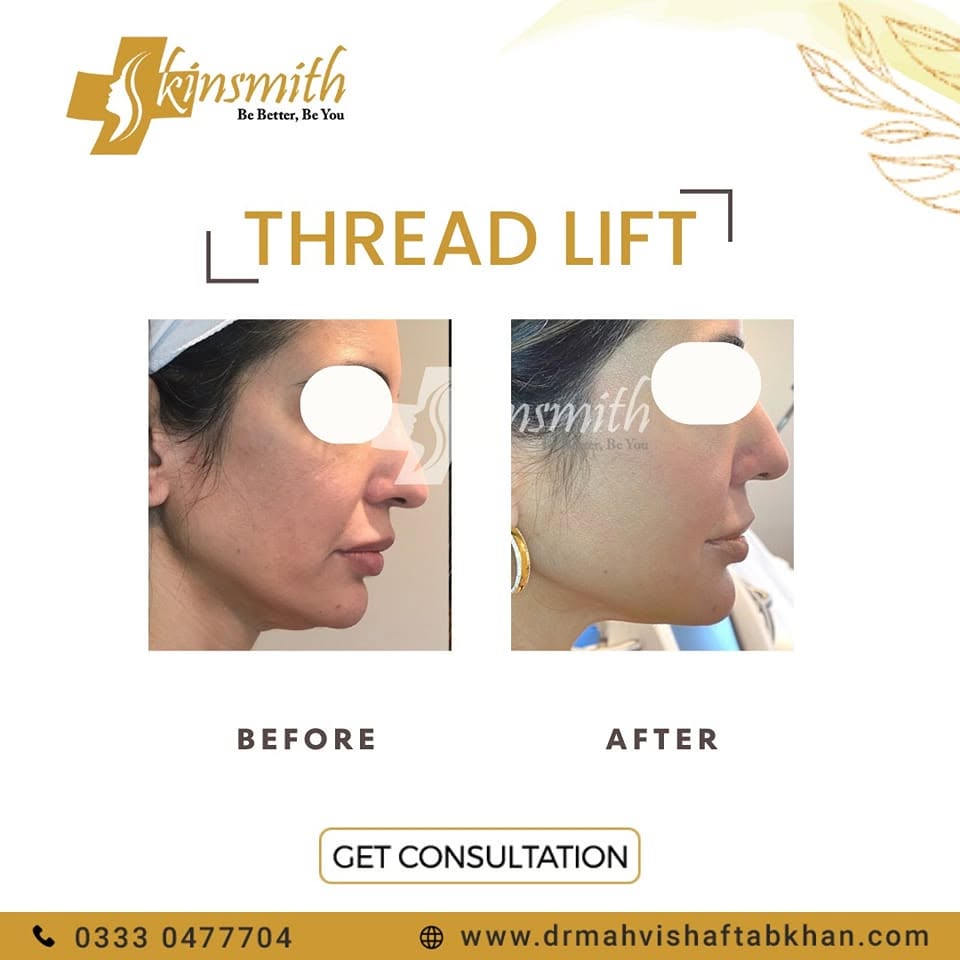
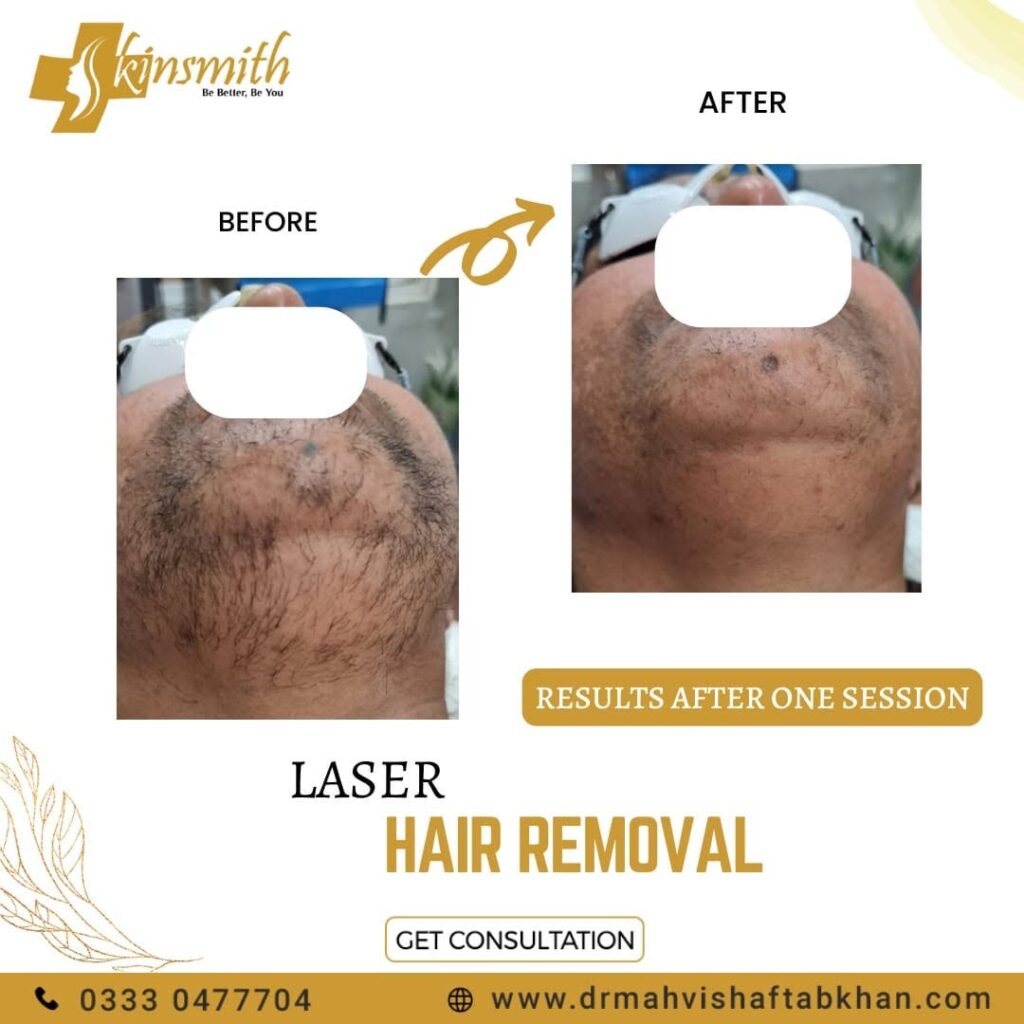
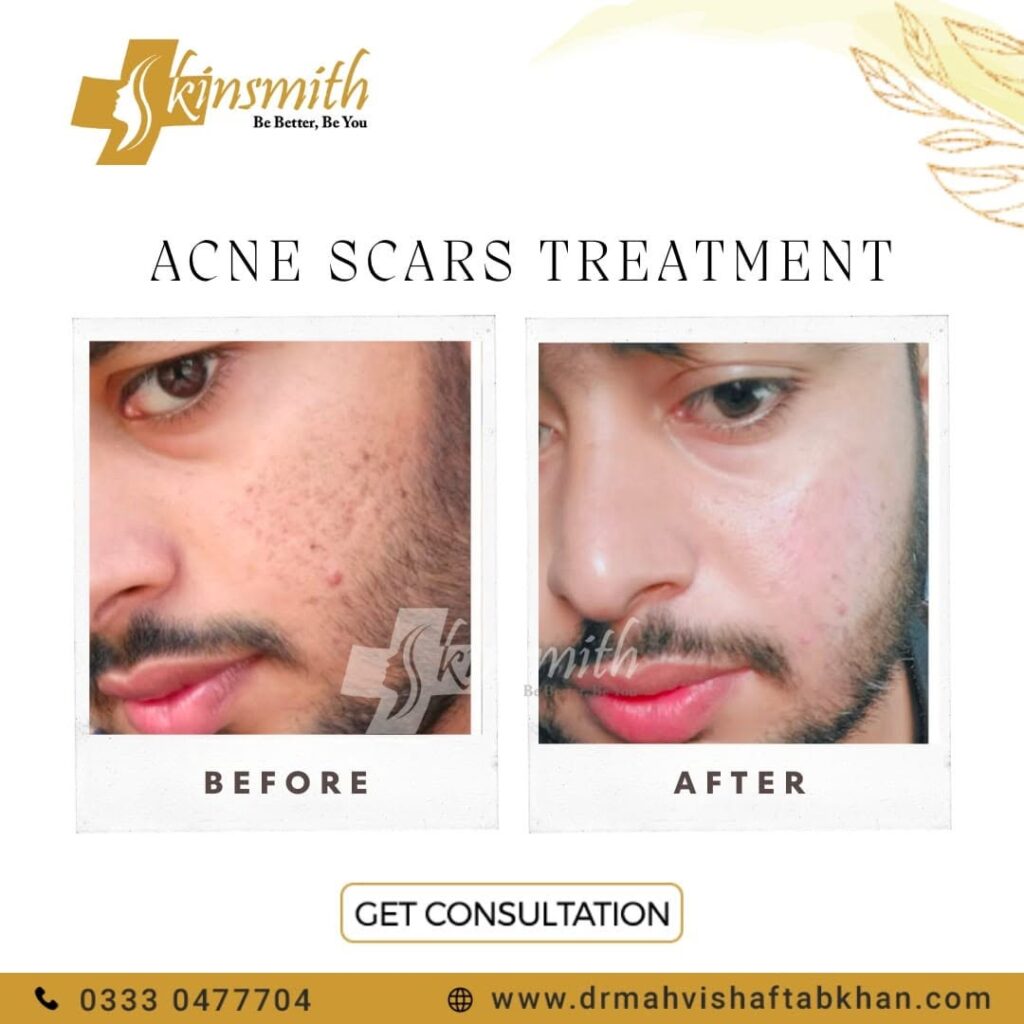
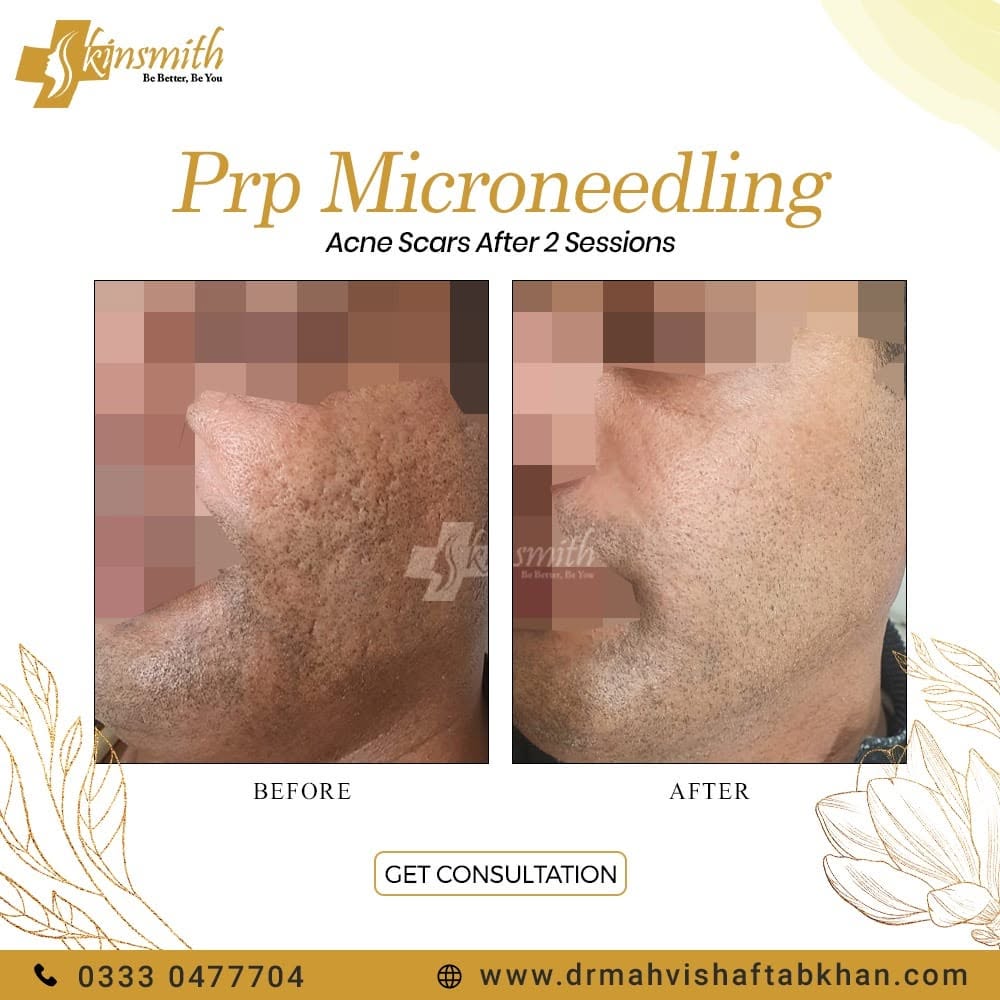
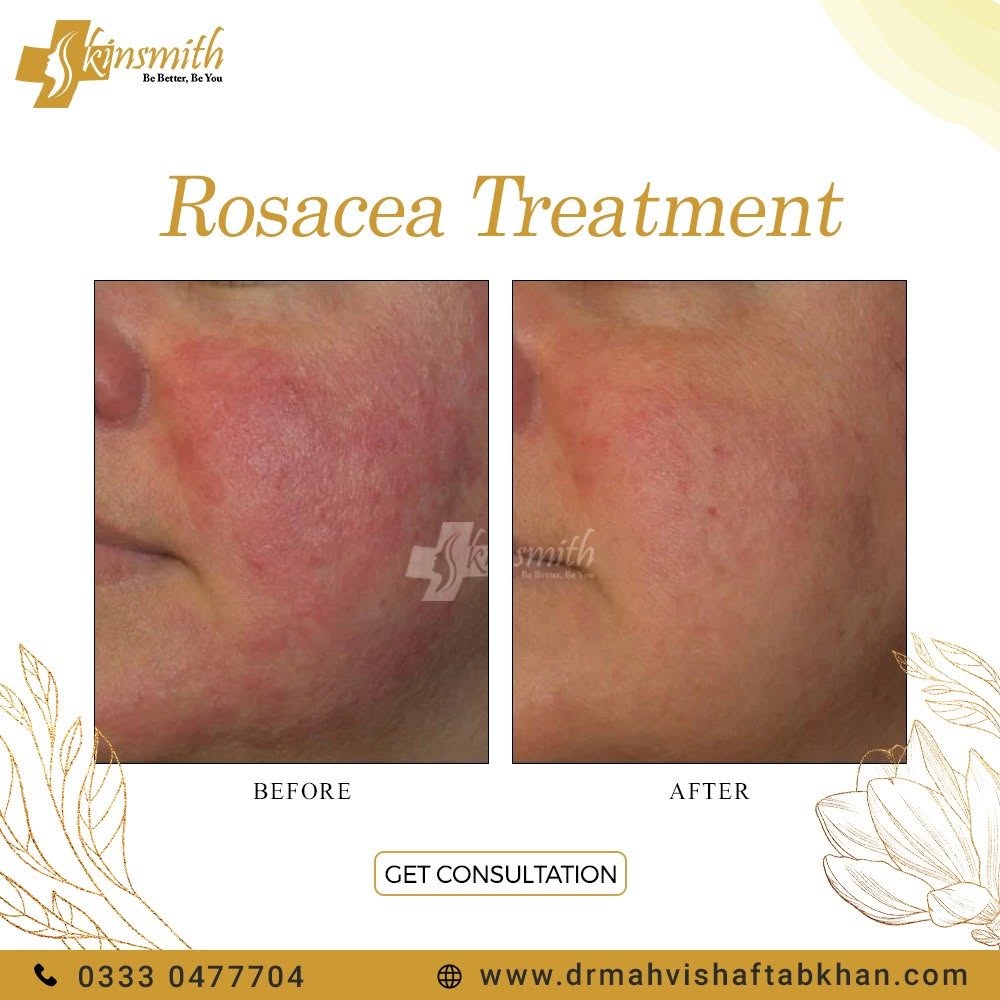
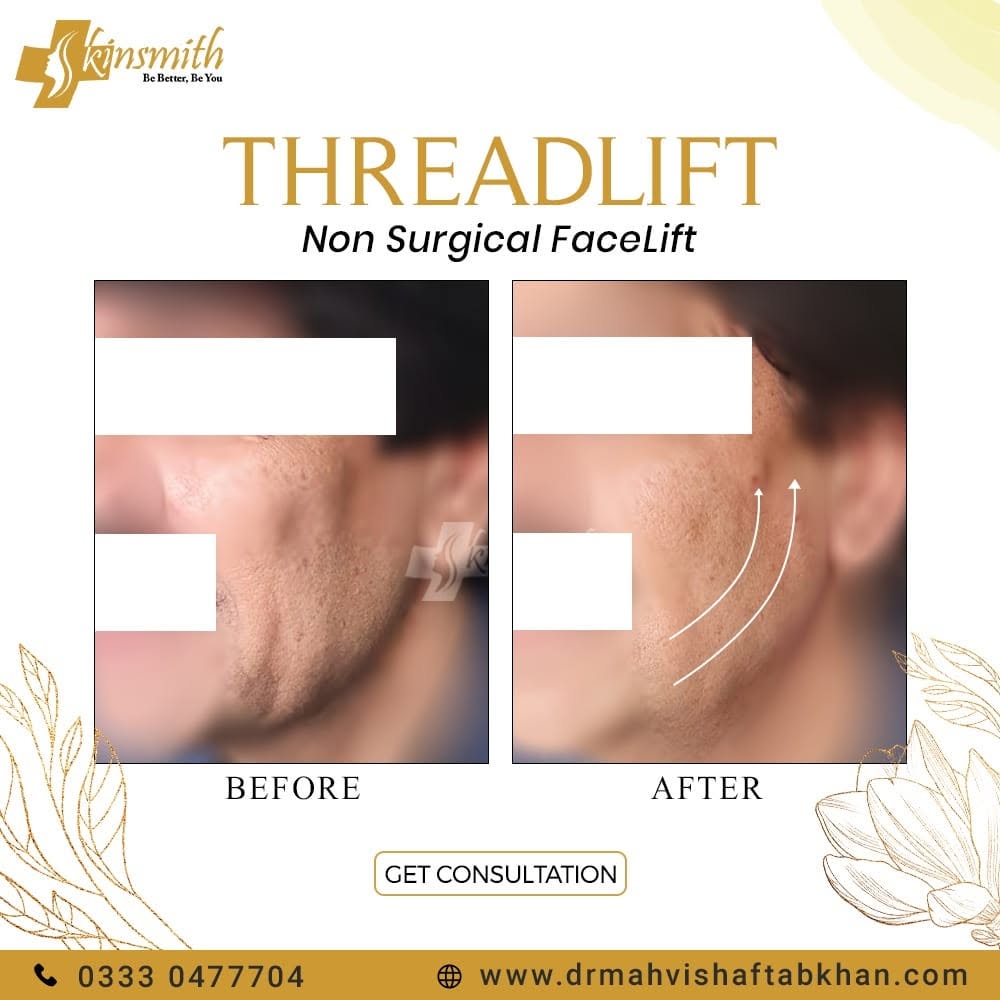
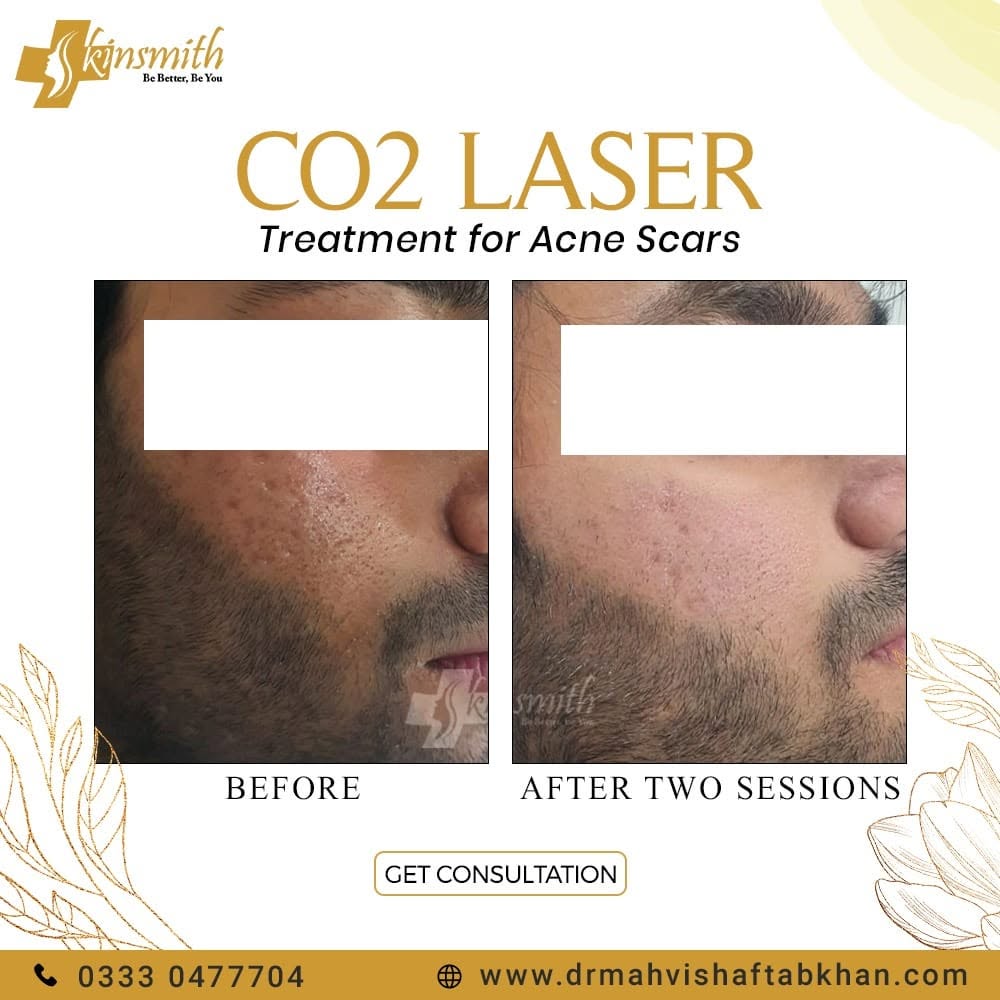
The treatment works by delivering carefully selected laser pulses to the targeted area.
Pico laser is not a universal solution for every skin concern. A proper assessment is necessary to determine whether it is suitable for your pigmentation, scar type, or other treatment goals.
Choosing a provider for pico laser treatment involves more than selecting a laser device. Accurate assessment, appropriate treatment settings, and a clear understanding of your skin concerns are essential.
At SkinSmith by Dr. Mahvish Aftab Khan, patients can discuss their aesthetic concerns and explore suitable treatment options based on their individual needs.
Your consultation should focus on:
Before treatment, confirm the provider’s relevant qualifications, the specific pico laser machine being used, and their experience treating your particular skin concern.
The risk depends on the device, treatment settings, skin type, and the condition being treated. Melasma deserves particular care because it can recur and may worsen following irritation or laser treatment. For some patients, topical treatment and strict sun protection may be more appropriate than laser therapy. Choose a qualified provider who can assess your skin, explain the risks, and manage complications if they arise.
Following aftercare instructions can support healing and reduce the risk of irritation or pigmentation changes.
Contact your provider if you develop persistent or worsening pain, blistering, signs of infection, or unexpected skin changes.
Uneven pigmentation is a common aesthetic concern. Dark spots may develop after acne, sun exposure, hormonal changes, or skin inflammation. However, not all pigmentation has the same underlying cause.
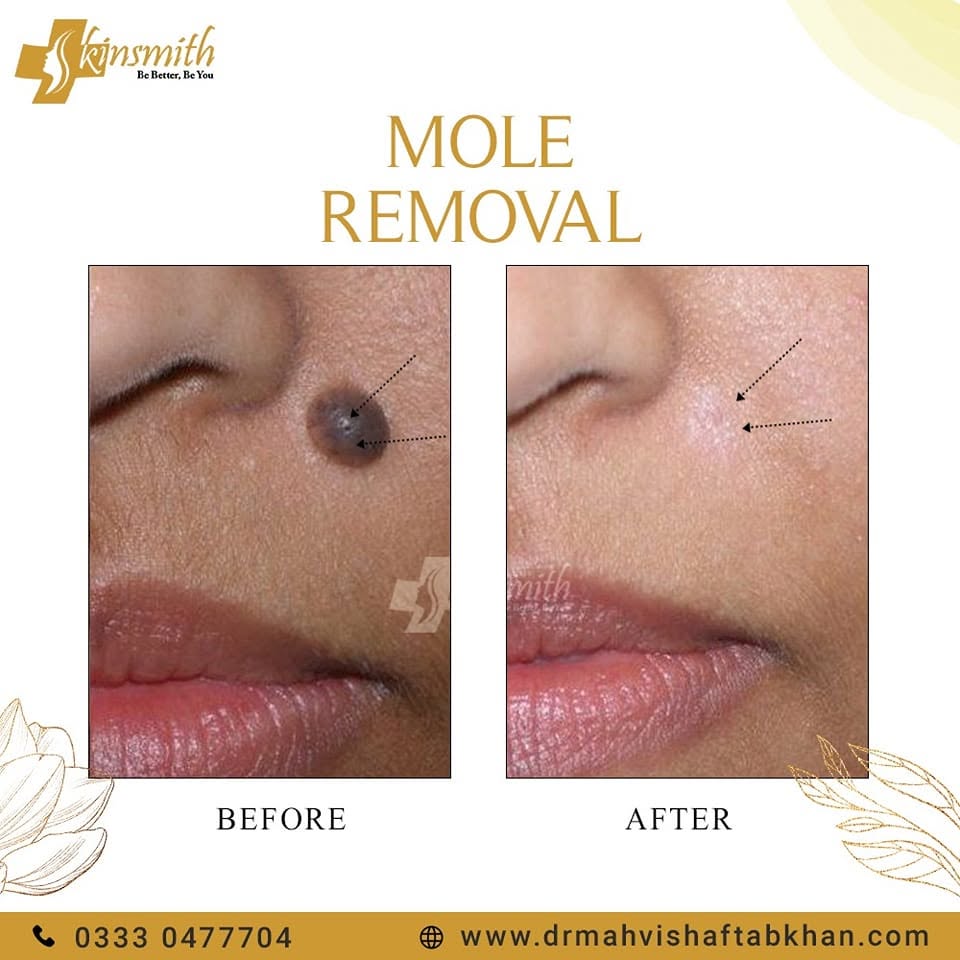
Pico laser for pigmentation may be considered for selected benign pigmented lesions after a clinical assessment.
Hyperpigmentation occurs when excess melanin creates darker areas of skin. It may appear as isolated brown spots, patches, freckles, or post-acne marks.
Pico laser for skin pigmentation can target certain forms of excess pigment, depending on their depth, colour, and cause.
Potential treatment concerns include:
Not every dark mark should be treated with a laser. Some pigmented lesions require medical evaluation before cosmetic treatment, and certain conditions are better managed with topical medication or other procedures.
Pico laser for dark spots may help reduce the appearance of selected sun-related or benign pigmented spots.
Pico laser dark spot removal is not guaranteed, and the response depends on whether the spot contains pigment that can be appropriately targeted by the device.
If your dark spots are caused by active acne, irritation, or an underlying skin condition, that cause should also be addressed to reduce the likelihood of new marks appearing.
Sun spots and age spots often develop after years of ultraviolet exposure. They may appear on the face, hands, and other sun-exposed areas.
Pico laser for sun spots or pico laser for age spots may be considered when the lesions have been appropriately assessed and are suitable for laser treatment.
Treatment may improve the appearance of selected brown spots, but new spots can develop with continued sun exposure. Daily sun protection is therefore an important part of maintaining results.
Freckles are small areas of increased pigmentation that may become more visible after sun exposure.
Pico laser for freckles may help lighten selected freckles, depending on the pigment and your skin type. Freckles can return or become darker again with sun exposure, so treatment does not eliminate the underlying tendency to develop them.
If you are considering freckles removal with pico laser, your provider should first distinguish freckles from other pigmented lesions that may require a different approach.
Melasma causes brown or grey-brown patches, commonly on the cheeks, forehead, upper lip, and other areas of the face. It is often associated with sun exposure, hormonal influences, and genetic susceptibility.
Pico laser for melasma may be considered in selected cases, but melasma is a persistent and recurrent condition. Laser treatment is not always the first-line option and may worsen pigmentation in some patients.
Suitability depends on the type and depth of melasma, skin tone, previous treatments, and risk of post-inflammatory hyperpigmentation.
For appropriate candidates, a treatment plan may include a combination of sun protection, prescribed topical treatments, and carefully selected procedures.
If you are searching for pico laser melasma treatment in Islamabad, discuss the potential benefits, recurrence risk, and alternative treatments with a qualified clinician before proceeding.
Acne can leave behind several types of marks. Flat brown or red marks often reflect changes in pigmentation or blood vessels, while true acne scars involve changes to the skin’s structure.
Pico laser for acne scars may be useful for selected textural concerns when the appropriate fractional technology is available.
Pico laser acne scar treatment may stimulate skin remodeling and help improve the appearance of certain atrophic scars.
Potential benefits may include:
However, not all scars respond equally. Deep ice pick scars, pronounced boxcar scars, and tethered rolling scars may require targeted treatments such as TCA CROSS, subcision, microneedling, or other procedures.
If your main concern is flat brown marks left behind by pimples, pico laser for acne marks may be considered in selected cases.
Before treatment, your provider should determine whether the marks are pigmentation, persistent redness, or true textural scars. This distinction helps avoid choosing a procedure that does not address the actual problem.
Active acne should also be controlled to reduce the risk of further breakouts and new marks.
Pico laser skin rejuvenation focuses on improving selected signs of skin aging, sun damage, and uneven texture.
Some pico laser systems have fractional handpieces designed to stimulate skin remodeling. Depending on the technology and treatment settings, they may be used for selected concerns involving skin texture and photodamage.
A pico laser facial is a general term used for facial treatment with a picosecond laser. The specific treatment may target pigmentation, selected textural concerns, or other suitable indications.
A pico laser facial treatment should be customized according to your skin condition rather than used as a one-size-fits-all procedure.
Pico laser for uneven skin texture may be considered when fractional technology is appropriate for the concern being treated.
Texture changes can arise from acne scars, enlarged pores, sun damage, or other skin conditions. The results depend on the underlying cause and the laser system used.
Certain fractional pico laser treatments may help improve the appearance of selected fine lines and early textural changes.
Pico laser is not equivalent to a surgical facelift and will not reliably correct significant skin laxity or deep wrinkles. Your provider can explain whether a laser, another skin procedure, or a combination of treatments is more appropriate.
Long-term ultraviolet exposure can contribute to uneven pigmentation, rough texture, and other visible signs of photodamage.
Pico laser tattoo removal uses short laser pulses to target tattoo ink particles within the skin. The fragmented particles are gradually cleared through the body’s natural processes.
Picosecond laser tattoo removal may be suitable for certain professional, cosmetic, or amateur tattoos, depending on the ink colours, depth, age, and other characteristics.
Several factors influence the results of tattoo removal with pico laser:
Multiple sessions are usually required, and complete removal cannot be guaranteed. Some colours respond more readily than others, and residual pigment or changes in skin colour may remain.
A consultation can help establish whether pico laser tattoo removal is suitable for your tattoo and provide an individualized treatment plan.
Skin tones in Islamabad, Rawalpindi, and across Pakistan vary considerably. Some people with medium to darker skin tones are more prone to post-inflammatory hyperpigmentation after skin injury or cosmetic procedures.
A careful assessment may include your history of pigmentation, previous laser treatments, tendency to develop dark marks, current skincare products, and recent sun exposure.
Depending on your skin and treatment goals, a clinician may recommend a test spot, a conservative treatment approach, or an alternative procedure.
Sun protection and appropriate aftercare are particularly important for reducing the risk of unwanted pigmentation after treatment.
Understanding the treatment process can help you prepare for your appointment.
Your provider assesses the area being treated and discusses your concerns, medical history, previous procedures, and expectations.
The appropriate laser wavelength, settings, and technique are selected according to your skin and the condition being treated.
The treatment area is prepared, and protective eyewear is used. The practitioner delivers laser pulses to the targeted area. Some patients describe the sensation as small snaps against the skin, although comfort varies.
You may experience temporary redness, swelling, sensitivity, or darkening of treated pigment before it gradually fades. Your provider will explain how to care for your skin and when to return for follow-up.
Pico laser is a laser technology that delivers ultra-short pulses of energy measured in picoseconds. It is used for selected pigmentation concerns, tattoo removal, and certain skin rejuvenation or scar treatments, depending on the device and technique. Suitability and results vary according to the skin concern, laser settings, and individual characteristics.
Pico laser treatment is generally described as tolerable, although the sensation varies according to the treatment area, settings, and individual sensitivity. Some people experience a snapping sensation, warmth, or temporary discomfort. Cooling or other comfort measures may be used when appropriate. Redness, swelling, and sensitivity can occur afterward.
Pico laser may improve selected forms of pigmentation, including certain brown spots and pigmented lesions. Melasma is more complex and can recur, and laser treatment may worsen it in some cases. Complete or permanent removal cannot be guaranteed. Assessment, appropriate treatment selection, and ongoing sun protection are important.
The number of sessions depends on the condition being treated. Some selected pigmented spots may improve with fewer sessions, while melasma, acne scars, tattoo removal, and skin rejuvenation may require a series of treatments. Your provider can recommend a treatment schedule after assessing your skin and goals.
Pico laser may be suitable for selected conditions in darker skin tones, but the risk of pigmentation changes remains. Appropriate wavelength and settings, careful patient selection, and qualified treatment are important. A consultation should consider your skin type, previous pigmentation problems, and treatment history before proceeding.