

Be Better Be You
Looking for PRP treatment in Islamabad for hair thinning, hair fall, acne scars, or skin rejuvenation? At Skin Smith, platelet-rich plasma (PRP) therapy may be considered for selected hair and skin concerns following a professional assessment.
PRP treatment uses a concentrated preparation of platelets obtained from your own blood. Platelets contain growth factors involved in the body’s natural repair processes. Depending on the treatment area and your individual needs, PRP may be used for hair loss or facial skin rejuvenation.
Whether you are considering PRP hair treatment, PRP treatment for the face, or microneedling with PRP, the right approach depends on your concerns, medical history, and treatment goals.
Book a PRP consultation at Skin Smith in Islamabad to discuss suitable treatment options and understand the potential benefits, limitations, and expected results.
PRP stands for platelet-rich plasma. It is a preparation made by collecting a small sample of a patient’s blood and processing it in a centrifuge to concentrate platelets in the plasma.
Platelets contain growth factors and other signalling molecules involved in tissue repair. PRP therapy uses this concentrated preparation in selected medical and aesthetic procedures.
PRP, also called platelet-rich plasma therapy, is used in different ways depending on the treatment goal. In aesthetic practice, the two common applications are:
PRP is not a universal solution for every hair or skin problem. Results vary by condition, treatment protocol, and individual response. A professional assessment helps determine whether PRP is appropriate or whether another treatment may be more effective.
Skin Smith offers a consultation-led approach to PRP treatment in Islamabad. The recommended treatment depends on whether your primary concern is hair loss, facial skin quality, acne scarring, or another suitable indication.
PRP hair treatment involves delivering prepared platelet-rich plasma into selected areas of the scalp. It may be considered for certain types of nonscarring hair loss, including some cases of androgenetic alopecia, also known as pattern hair loss.
Potential treatment goals include improving hair density and reducing the appearance of thinning in suitable candidates. PRP is less likely to help when hair follicles have been permanently destroyed or when the cause of hair loss requires a different treatment.
PRP treatment for the face uses platelet-rich plasma as part of an individualized skin rejuvenation approach. Depending on the treatment plan, PRP may be applied after microneedling or administered using an appropriate injection technique.
It may be considered for selected concerns involving skin texture, fine lines, and the appearance of certain scars. Evidence varies across indications, and dramatic lifting, permanent wrinkle removal, or guaranteed skin brightening should not be expected.
Hair thinning and excessive hair fall can affect both men and women. PRP for hair is a nonsurgical option that may be considered for selected types of hair loss after the underlying cause has been assessed.
During PRP hair treatment, a blood sample is collected and processed to prepare platelet-rich plasma. The prepared PRP is then administered to selected areas of the scalp using the clinician’s treatment protocol.
Potential benefits of PRP treatment for hair may include:
PRP does not guarantee new hair growth and cannot reliably restore hair in areas where follicles are no longer viable. It may be more useful for some patients with early or moderate thinning than for those with extensive, longstanding baldness.
Female hair loss may be associated with female pattern hair loss, iron deficiency, thyroid disorders, hormonal changes, stress, nutritional deficiencies, postpartum changes, or other medical factors.
PRP for female hair loss may be considered in selected cases, particularly when hair follicles remain present but hair density has decreased. However, the underlying cause should be evaluated before treatment.
PRP for women’s hair loss is not a substitute for investigating persistent hair shedding, irregular periods, nutritional deficiencies, or other symptoms that may indicate a medical condition.
PRP for male hair loss may be considered for selected cases of male pattern hair loss, including some patients experiencing thinning around the crown or other areas where follicles remain active.
For men with a receding hairline, thinning hair, or early androgenetic alopecia, a consultation can help determine whether PRP may be useful as part of a broader hair-restoration plan.
PRP is not a guaranteed treatment for male pattern baldness, and established areas of complete baldness may respond poorly. Evidence-based medical treatments or a hair transplant assessment may be more suitable for some patients.
Hair fall can have many causes, and treatment should be based on an accurate diagnosis rather than hair shedding alone.
PRP for hair fall may be an option for selected patients with certain types of nonscarring hair loss. However, it may not address hair loss caused by nutritional deficiencies, thyroid disease, active scalp inflammation, or other untreated conditions.
If hair loss is sudden, severe, patchy, associated with scalp symptoms, or accompanied by other medical changes, a medical assessment is important before starting aesthetic treatment.
PRP facial treatment, also known as facial PRP or PRP skin treatment, is an aesthetic procedure intended to support selected skin-rejuvenation goals.
PRP for the face uses platelet-rich plasma prepared from the patient’s own blood. Depending on the treatment approach, it may be injected into selected areas or combined with microneedling.
PRP facial treatment may be considered for certain concerns involving skin texture, fine lines, and the appearance of selected acne scars. Outcomes vary, and the scientific evidence is not equally strong for every facial indication.
Potential PRP facial benefits may include:
PRP is not a guaranteed treatment for wrinkles, pigmentation, dark circles, or skin laxity. A consultation helps establish which concerns may realistically benefit and which may need alternative treatment.
PRP for glowing skin is often discussed as a skin-rejuvenation treatment. Some patients pursue PRP to improve the overall appearance and texture of their skin.
However, PRP does not guarantee a particular glow, permanent brightening, or a change in natural skin colour. Results depend on the skin concern, technique, and individual response.
For dullness or uneven skin tone, other treatments or a suitable skincare routine may be more appropriate depending on the underlying cause.
PRP for fine lines and facial wrinkles may be considered as part of a skin-rejuvenation plan. Its potential effects are generally more limited than those of treatments specifically designed to relax expression lines or replace lost facial volume.
PRP does not provide the same effect as Botox, dermal fillers, or surgical procedures. The best option depends on whether the concern involves skin quality, muscle movement, volume loss, or skin laxity.
PRP under-eye treatment is sometimes used for selected concerns involving the appearance of fine lines and under-eye skin quality.
Dark circles can result from several factors, including pigmentation, visible blood vessels, allergies, shadowing, and volume loss. PRP may not address all these causes, and it cannot reliably correct deep tear troughs or significant under-eye hollows.
The under-eye area is delicate and requires careful assessment by a suitably qualified practitioner. Injection-related risks, including swelling, bruising, and other complications, should be discussed before treatment.
PRP for acne scars may be considered as an adjunct to microneedling or another suitable procedure in selected patients.
Microneedling creates controlled microchannels that stimulate the skin’s repair response. PRP may be used alongside this process, although the additional benefit compared with microneedling alone varies and is not guaranteed.
Different acne scars respond differently to treatment. Deep ice-pick scars, tethered scars, and severe scarring may need other procedures or a combination approach. Active inflammatory acne should generally be controlled before scar-focused procedures.
Microneedling with PRP combines collagen-induction treatment with platelet-rich plasma.
Microneedling uses fine needles to create controlled micro-injuries in the skin. PRP prepared from the patient’s blood may then be applied or administered according to the clinician’s protocol.
The combination may be considered for selected acne-scar and skin-texture concerns. However, PRP does not guarantee superior results, and the suitability of this combination depends on the patient’s skin condition, treatment goals, and risk factors.
A consultation should cover the expected benefits, recovery period, number of sessions, and alternatives before treatment begins.
A vampire facial is a popular term for a facial treatment that combines microneedling with platelet-rich plasma. The name refers to the use of a blood-derived PRP preparation, not to a separate medical substance.
A vampire facial may be considered for selected skin-texture and rejuvenation concerns. It is not a guaranteed treatment for acne scars, wrinkles, dark circles, or pigmentation.
Depending on the treatment plan and individual response, potential goals may include:
A vampire facial involves the same important safety considerations as other procedures that penetrate the skin. Sterile technique, appropriate patient selection, and careful aftercare are essential.

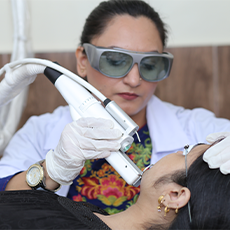
The exact procedure depends on whether PRP is being used for hair restoration or facial rejuvenation. A typical treatment includes the following stages.
Step 1: Consultation and assessment
The practitioner reviews your medical history, skin or scalp condition, medications, and treatment goals. The consultation helps determine whether PRP is appropriate and whether additional investigations are needed.
Step 2: Blood collection
A small blood sample is collected using appropriate sterile equipment.
Step 3: PRP preparation
The sample is processed using a centrifuge or an appropriate preparation system to separate and concentrate the platelet-rich plasma.
Step 4: Treatment application
For hair PRP, the prepared plasma is administered to selected scalp areas. For facial PRP, it may be applied or injected according to the chosen protocol, sometimes alongside microneedling.
Step 5: Aftercare and follow-up
The practitioner explains recovery instructions and arranges follow-up as needed to assess your response and determine whether further sessions are appropriate.
The number of PRP sessions depends on the treatment area, underlying condition, preparation method, and individual response.
For hair restoration, an initial series of treatments may be recommended, followed by periodic reassessment and possible maintenance sessions.
For facial PRP, the number of sessions depends on the skin concern and whether PRP is used alone or alongside another procedure.
There is no single schedule that is right for everyone. Your practitioner should explain the proposed treatment plan, intervals, expected costs, and how progress will be evaluated before you begin.
PRP treatment intervals vary according to the indication and treatment protocol. Hair PRP and facial PRP may follow different schedules, so the timing should not be assumed to be the same.
Sessions are generally spaced to allow recovery and assess the response to treatment. Maintenance treatment may be considered in some cases, but the frequency and long-term benefit are not identical for every patient.
Avoid booking repeated sessions without a clear treatment goal and review of your progress. Your practitioner can recommend an appropriate schedule based on your needs.
If you are exploring PRP for hair loss, thinning hair, acne scars, fine lines, or facial rejuvenation, the first step is to identify the cause of your concern and determine whether platelet-rich plasma therapy is appropriate.
Contact Skin Smith in Islamabad to discuss PRP treatment options and arrange a consultation.
Book your PRP consultation today to explore a treatment plan based on your individual hair or skin needs.
Recovery depends on the treatment area and method used. Temporary tenderness, redness, swelling, pinpoint bleeding, or bruising may occur.
After PRP hair treatment, you may be advised to:
After PRP facial treatment or microneedling with PRP, you may be advised to:
Seek medical advice if you experience worsening pain, increasing redness, significant swelling, pus, fever, or other symptoms that may indicate infection or a complication.
PRP uses a preparation derived from your own blood, but this does not mean the procedure is risk-free.
Potential risks include pain, bruising, swelling, bleeding, infection, and irritation. Injection procedures also carry risks that depend on the treatment area and technique. Microneedling can cause pigment changes, prolonged irritation, or scarring in some cases.
PRP may not be suitable for everyone, including some people with platelet or blood disorders, active infections, certain medical conditions, or other factors affecting healing. Medications and medical history should be reviewed before treatment.
If you have unexplained hair loss, active scalp disease, a skin infection, or a condition that may affect healing, seek appropriate medical assessment before proceeding.
Choosing a provider for PRP therapy involves more than selecting a treatment based on its name. The underlying cause of your hair loss or skin concern, the practitioner’s training, preparation technique, and aftercare all matter.
At Skin Smith, your consultation should help you understand:
Before treatment, confirm the practitioner’s credentials, the clinic’s hygiene procedures, and the exact PRP protocol being offered.
PRP stands for platelet-rich plasma. It is prepared from a patient's blood to concentrate platelets in plasma. PRP is used in selected medical and aesthetic procedures, including certain hair-loss and skin-rejuvenation treatments.
PRP stands for platelet-rich plasma. It is a blood-derived preparation containing a higher concentration of platelets than the original blood sample, prepared using a specific processing method.
PRP treatment involves collecting a small blood sample, processing it to prepare platelet-rich plasma, and administering the preparation to a selected treatment area. The procedure and expected benefits depend on whether PRP is being used for hair loss, facial rejuvenation, or another indication.
PRP hair treatment involves administering platelet-rich plasma to selected areas of the scalp. It may help improve hair density in some patients with certain types of nonscarring hair loss, but results vary and it does not guarantee hair regrowth.
PRP skin treatment uses platelet-rich plasma as part of a facial rejuvenation procedure. It may be administered by injection or combined with microneedling for selected concerns involving skin texture, fine lines, and acne scars.
The number of sessions depends on the treatment area, condition, and individual response. Hair PRP often involves an initial series with possible maintenance, while facial PRP schedules vary. A practitioner should recommend an individualized plan.
PRP treatment intervals depend on whether it is being used for hair or skin, the treatment protocol, and your response. Sessions should be scheduled according to a professional assessment rather than a fixed schedule for everyone.
PRP may improve hair density in some people with selected types of nonscarring hair loss, particularly certain cases of pattern hair loss. Results vary, and PRP may not work well for every cause or stage of hair loss.
PRP may be considered for selected women with pattern hair loss. However, hair fall in women can also be related to iron deficiency, thyroid conditions, hormonal changes, postpartum shedding, or other factors that should be evaluated.
PRP may help some men with pattern hair loss where viable follicles remain. It is less likely to restore hair in areas of longstanding complete baldness and may need to be considered alongside other evidence-based treatment options.
Potential benefits include improvements in selected aspects of skin texture and the appearance of some fine lines or acne scars. Evidence varies by indication, and PRP cannot guarantee wrinkle removal, skin tightening, or permanent rejuvenation.
PRP may be used alongside microneedling or other procedures for selected acne scars. The additional benefit of PRP varies, and scar type matters. Deep or tethered scars may need alternative or combination treatments.
PRP may be considered for selected under-eye concerns, but dark circles have several possible causes. It may not correct pigmentation, deep hollows, allergies, or every form of under-eye discoloration. A careful assessment is important.
A vampire facial is a popular term for a treatment that combines microneedling with platelet-rich plasma. It is used for selected skin-rejuvenation goals, but results vary and the procedure carries risks that should be discussed beforehand.
Discomfort varies by treatment area and technique. Blood collection may cause brief discomfort, while scalp or facial injections can cause stinging or tenderness. Topical numbing may be used for some procedures where appropriate.
Results depend on the indication and individual response. Hair changes may take several months to assess, while facial results vary according to the concern and technique. PRP does not provide immediate or guaranteed results.
PRP results are not guaranteed to be permanent. Hair loss may continue because of the underlying condition, and some patients may be offered maintenance treatments. Facial improvements also vary and do not stop natural aging.
Using your own blood reduces some concerns associated with donor-derived materials, but it does not eliminate procedural risks. Infection, bruising, swelling, pain, and other complications can occur, making appropriate screening and sterile technique essential.
Yes, PRP is sometimes combined with microneedling for selected skin concerns, including certain acne scars. The additional benefit compared with microneedling alone is not guaranteed, so the decision should be based on an individualized assessment.
You can contact Skin Smith in Islamabad to discuss available PRP services for hair and skin concerns. Confirm the clinic's current address, practitioner availability, treatment options, and pricing directly before booking.